Berber and loop pile carpet use looped yarns for a durable, low-profile surface that hides wear and suits basements, offices, stairs and play areas.
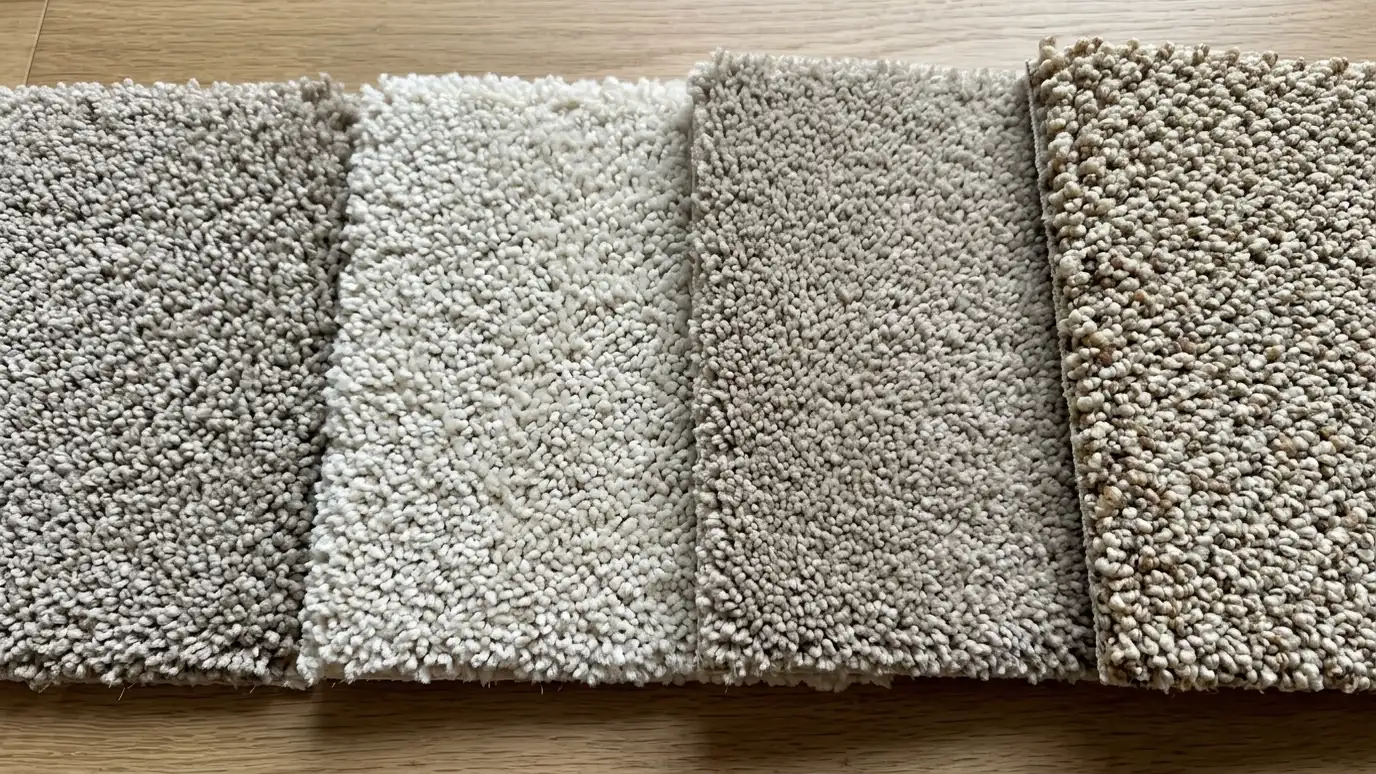
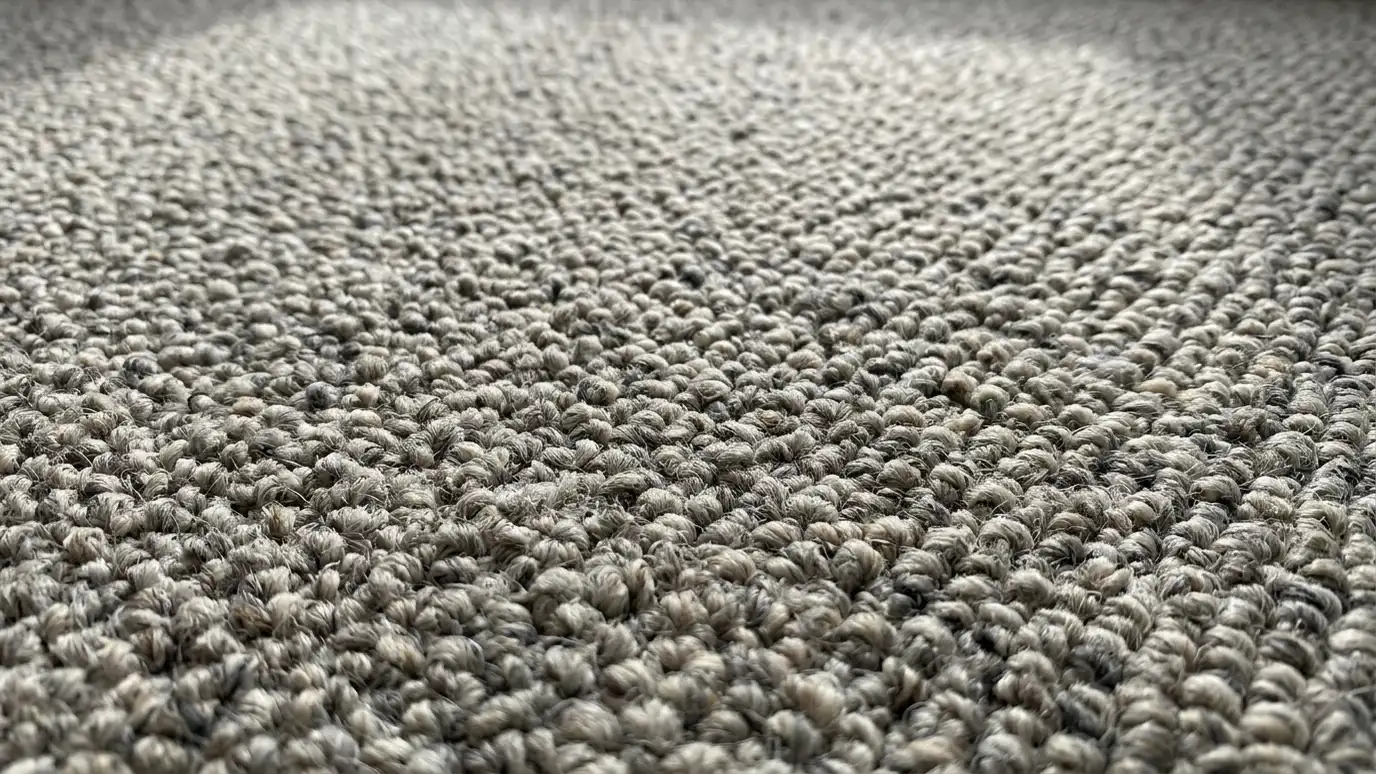
Loop pile carpet keeps its yarn in uncut loops, which makes a firm, low surface that resists crushing and hides footprints. Berber is the best-known loop style, with flecks of color against a lighter background, and it is often made in olefin or nylon. Owners in Nashville use loop carpet in finished basements, home offices, playrooms and commercial spaces where durability matters.
We begin with a Free Estimate and bring loop samples in level, multi-level and patterned styles. We explain how loop height and density affect feel and wear, discuss pets (loops can snag on claws) and recommend a pad and installation plan. The written scope lists the carpet, pad and layout, with notes on seams, which are more visible in some loops.
Loops resist crushing, hold up under rolling chairs and heavy traffic and stay low and tidy in busy rooms.
The textured surface does not show vacuum lines or footprints, which keeps it looking neat between cleanings.
Loop carpet includes classic Berber, multi-level patterns and smooth level loops, in neutral and bold colors.
Long loops can catch on claws and sharp objects, so we steer pet households toward tighter, shorter loops or other styles.
Drag the handle to compare.
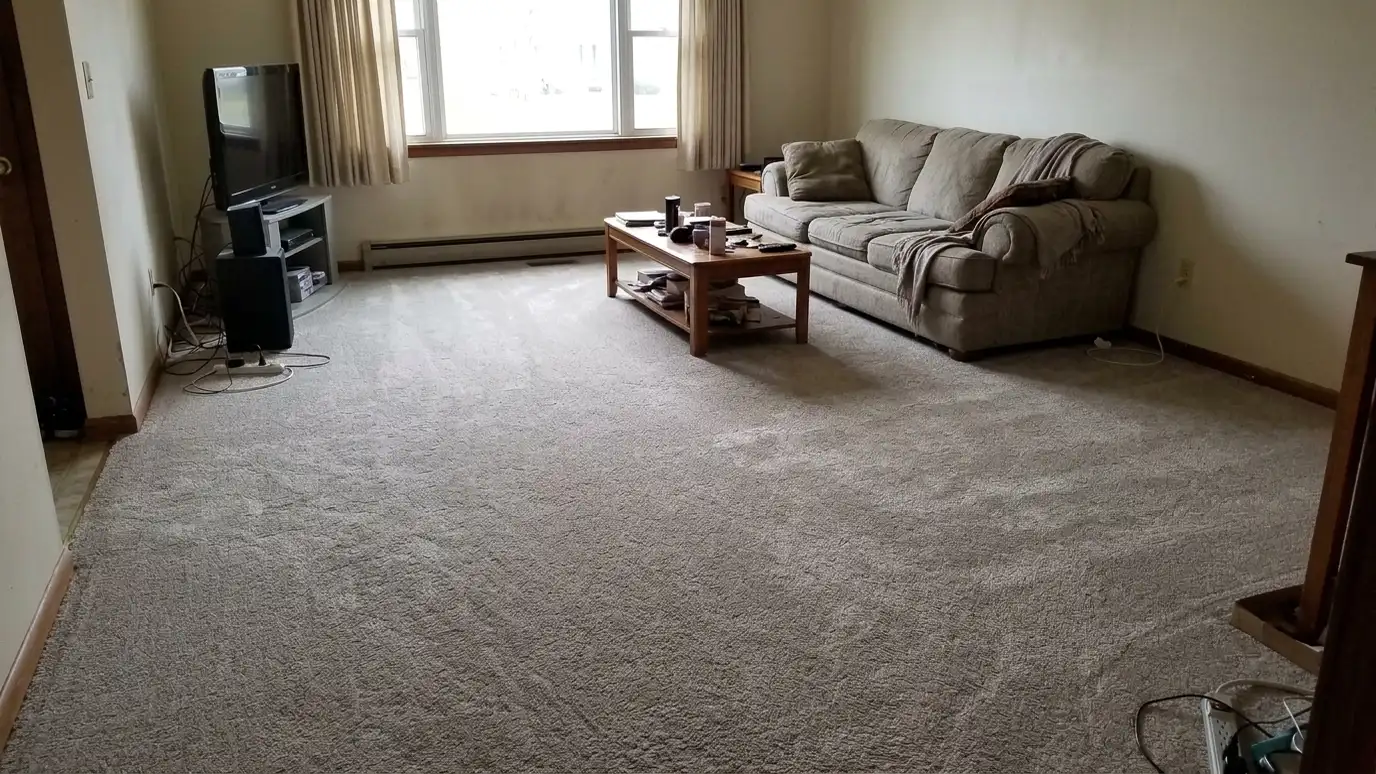
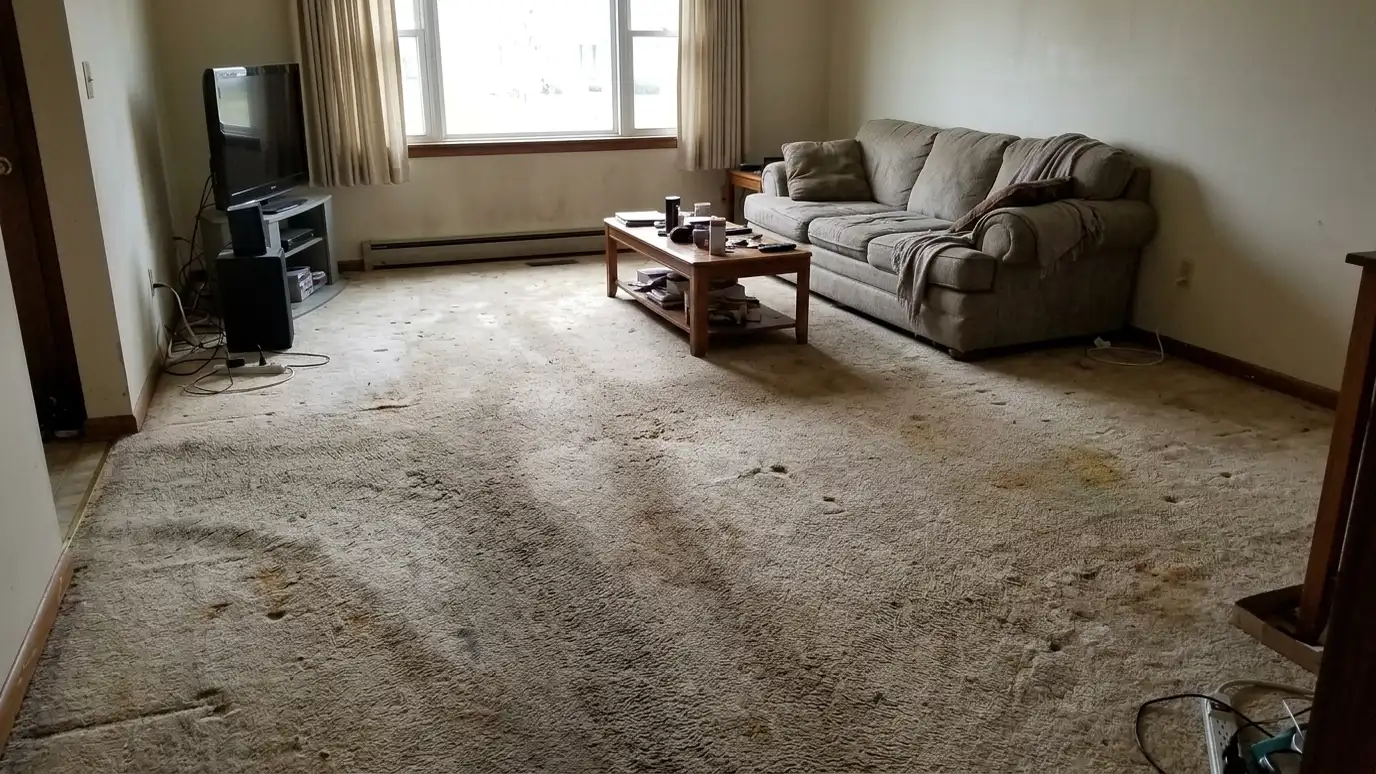 BeforeAfter
Basement, office or play area identified.
Level and multi-level samples viewed.
Wear and feel balanced.
Firm cushion chosen.
Seams planned and carpet stretched.
Snag prevention and cleaning tips given.
Every topic has its own page with what to expect and how we approach it.
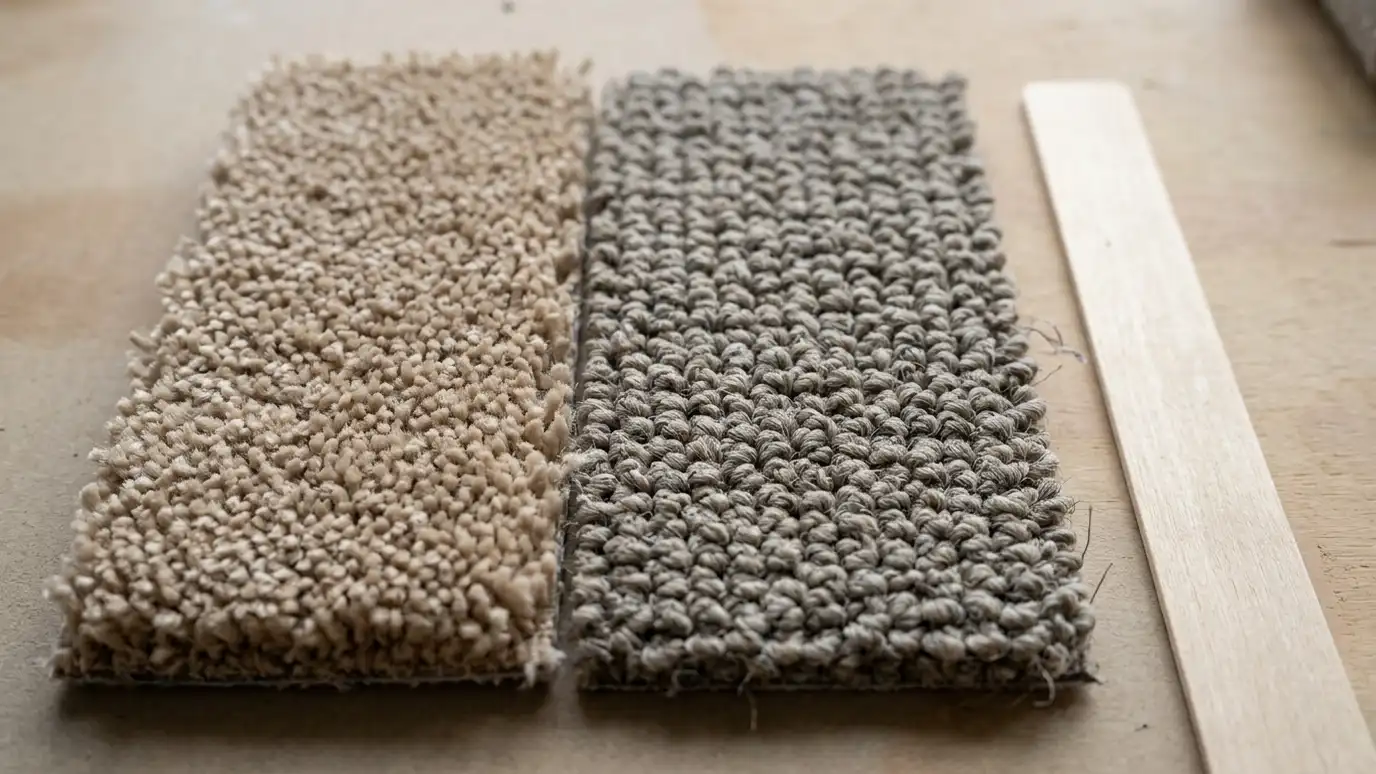 Comparison guideCut vs Loop PileHow cut pile and loop pile carpets differ in softness, durability, snagging, cleaning and look.Learn more
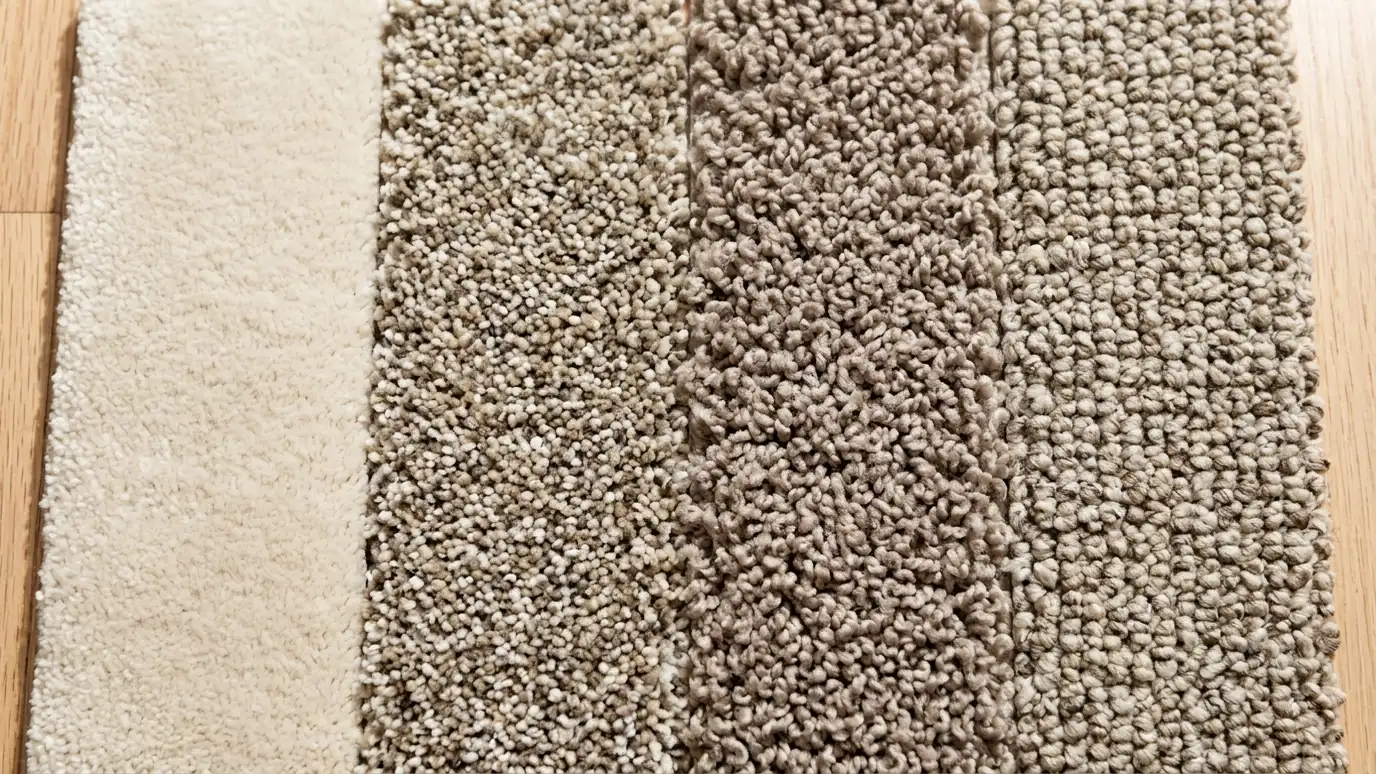 Comparison guideCarpet Styles ComparedHow plush, Saxony, textured, frieze and Berber carpet differ in look, feel, footprints, wear and best rooms.Learn more
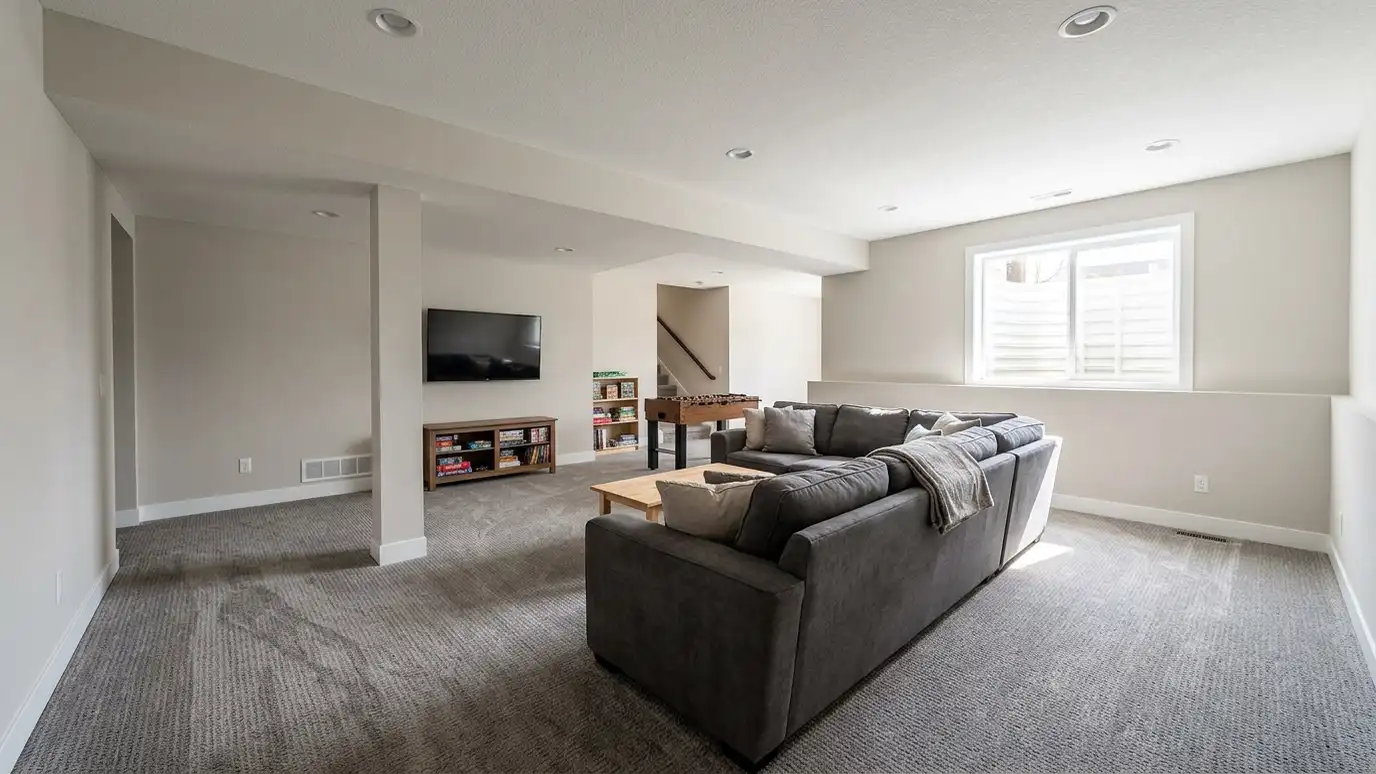 Comparison guideCarpet in BasementsHow moisture affects carpet in basements and slabs, and which pads, fibers and methods suit lower levels.Learn more
Pick a carpet type, its age and the signs you see to learn where it is in its life and what to do next.
You tell us about your rooms and what you want the carpet to do, and we set a visit that fits your day.
We walk the rooms, measure floors and stairs, check the subfloor and bring samples to look at in your own light.
You pick the carpet and pad and receive a plain written scope with every room, extra and price before anything begins.
We move standard furniture, remove old carpet and pad and correct the subfloor so the new carpet has a good foundation.
We lay strip and pad, stretch the carpet tight, seam it carefully and trim every edge and doorway.
We clean up, return furniture, walk every room with you and explain how to care for the carpet.
Olefin Berber is a popular basement choice because it resists moisture. The slab and padding still need planning.
It can, especially with pets, rolling items or long loops. Shorter, dense loops help.
It is usually firmer than cut pile, though nylon and wool loops can feel softer.
They can be more visible in some patterns, and we plan seams carefully to hide them.
A pulled loop can often be repaired by a technician, which we explain.
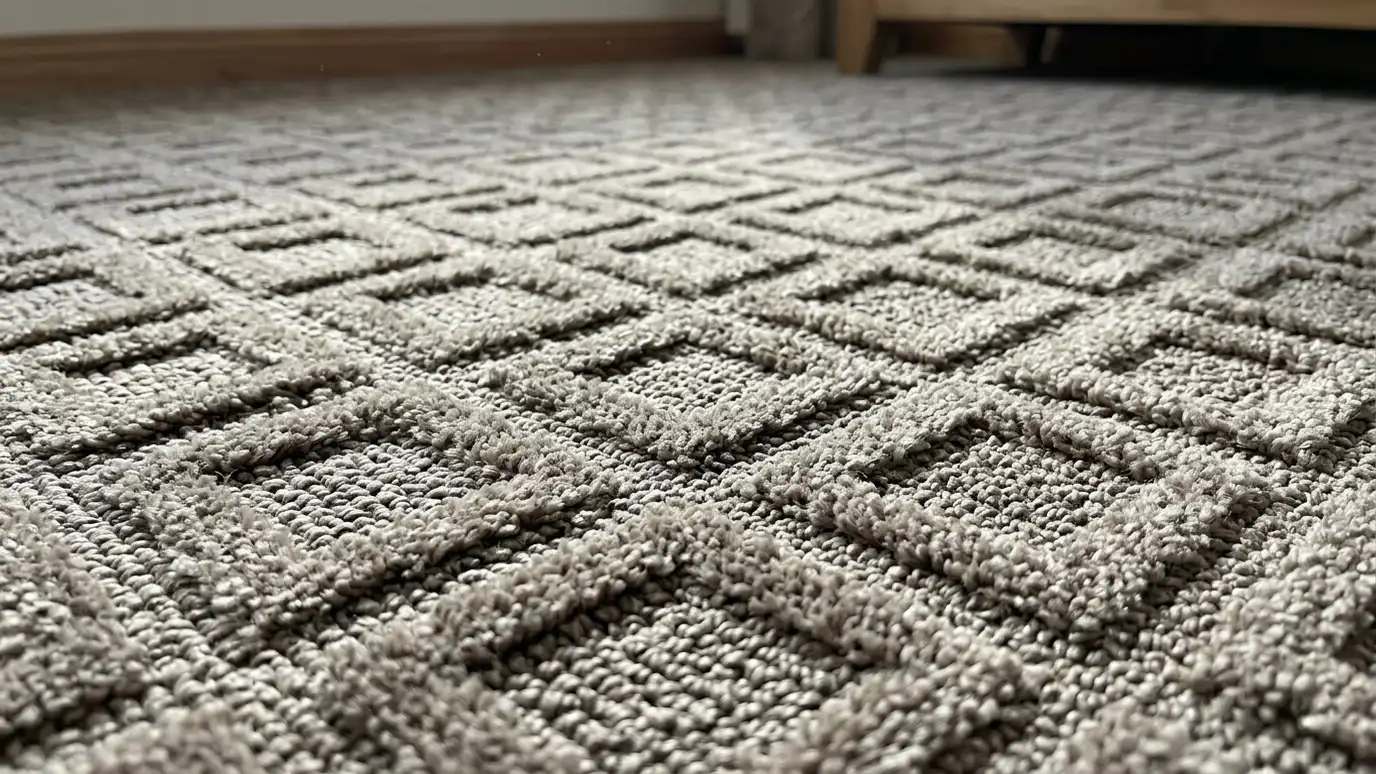 Cut and Loop Pattern CarpetCut and loop carpet mixes cut and looped yarns to create sculpted patterns and texture that look designed…Explore
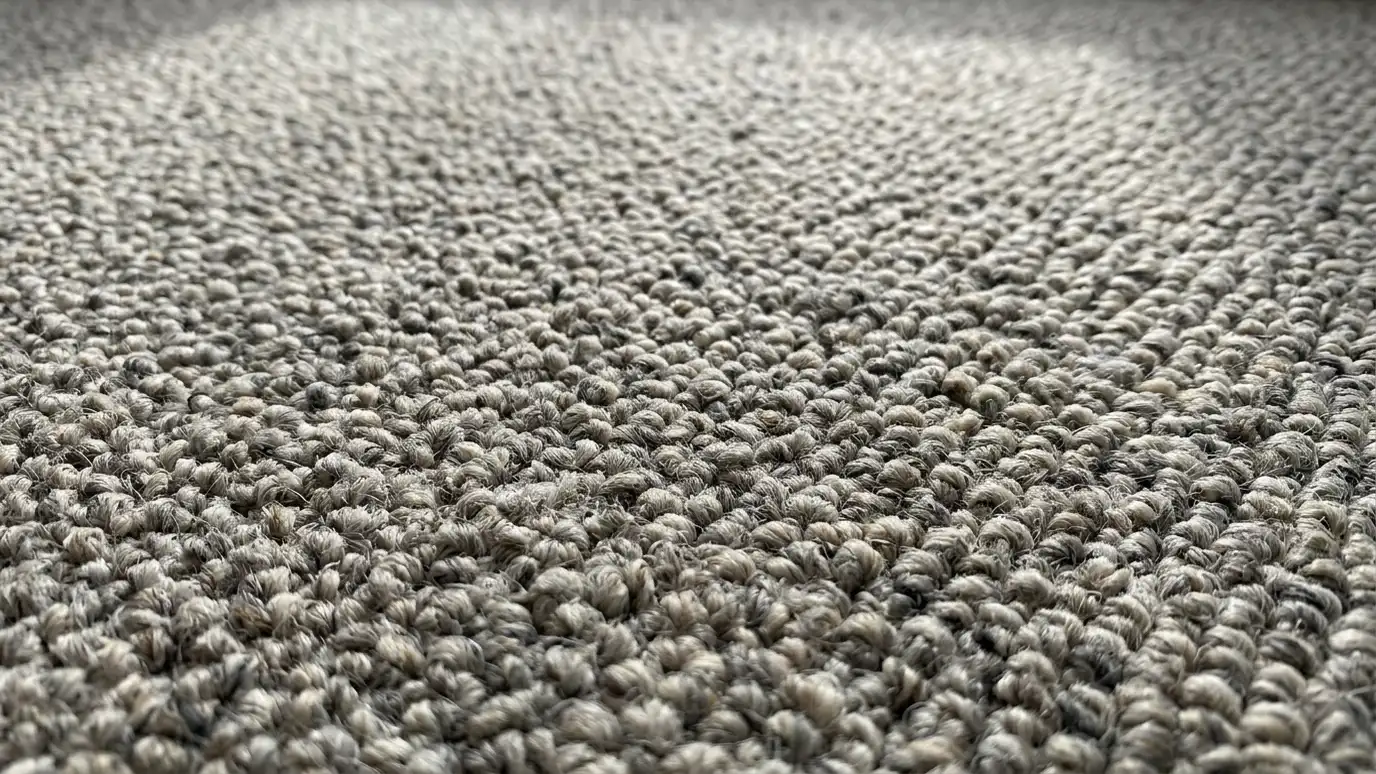 Olefin and Polypropylene CarpetMoisture-resistant olefin and polypropylene carpet in loop and cut styles, well suited to basements, play areas and spaces…Explore
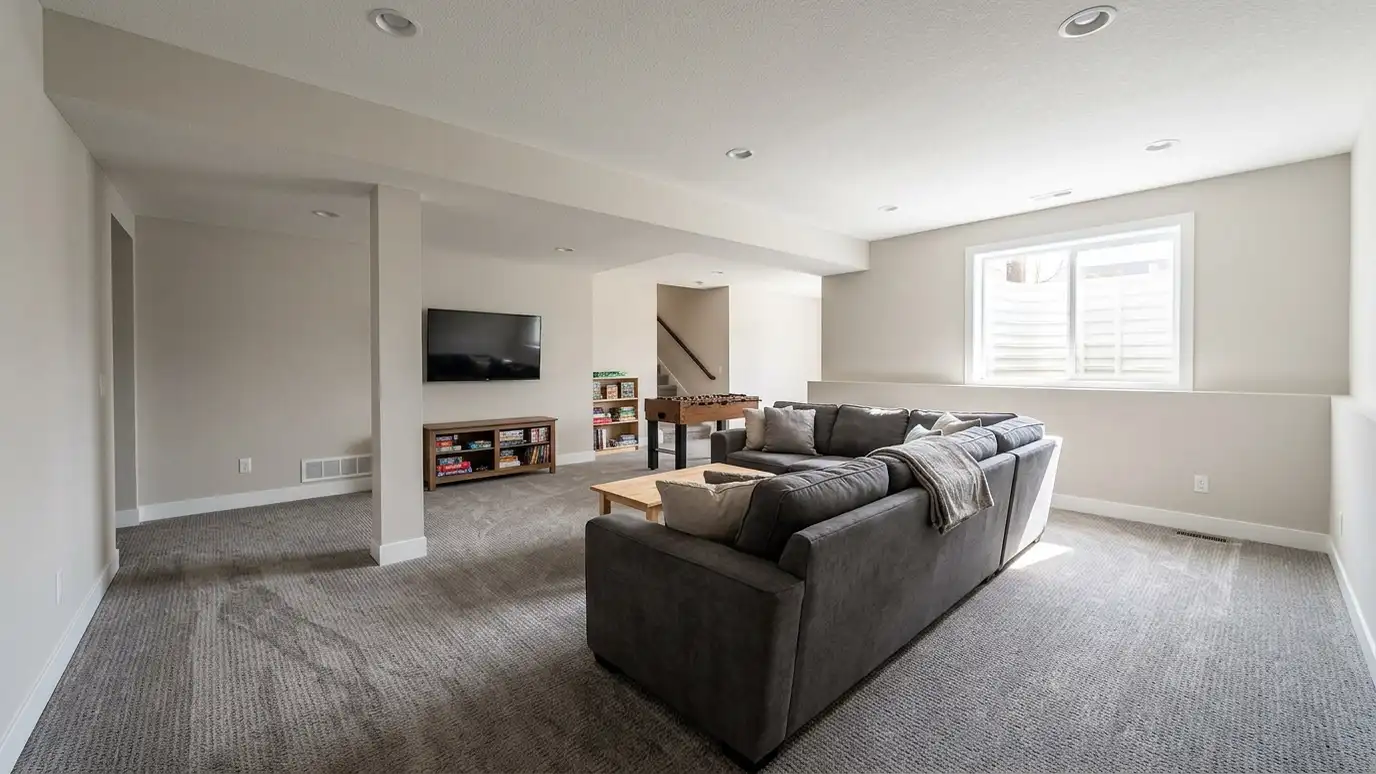 Basement Carpet InstallationBasement carpet planned around moisture, concrete and temperature, using moisture-aware padding and carpet choices that turn a cool…Explore
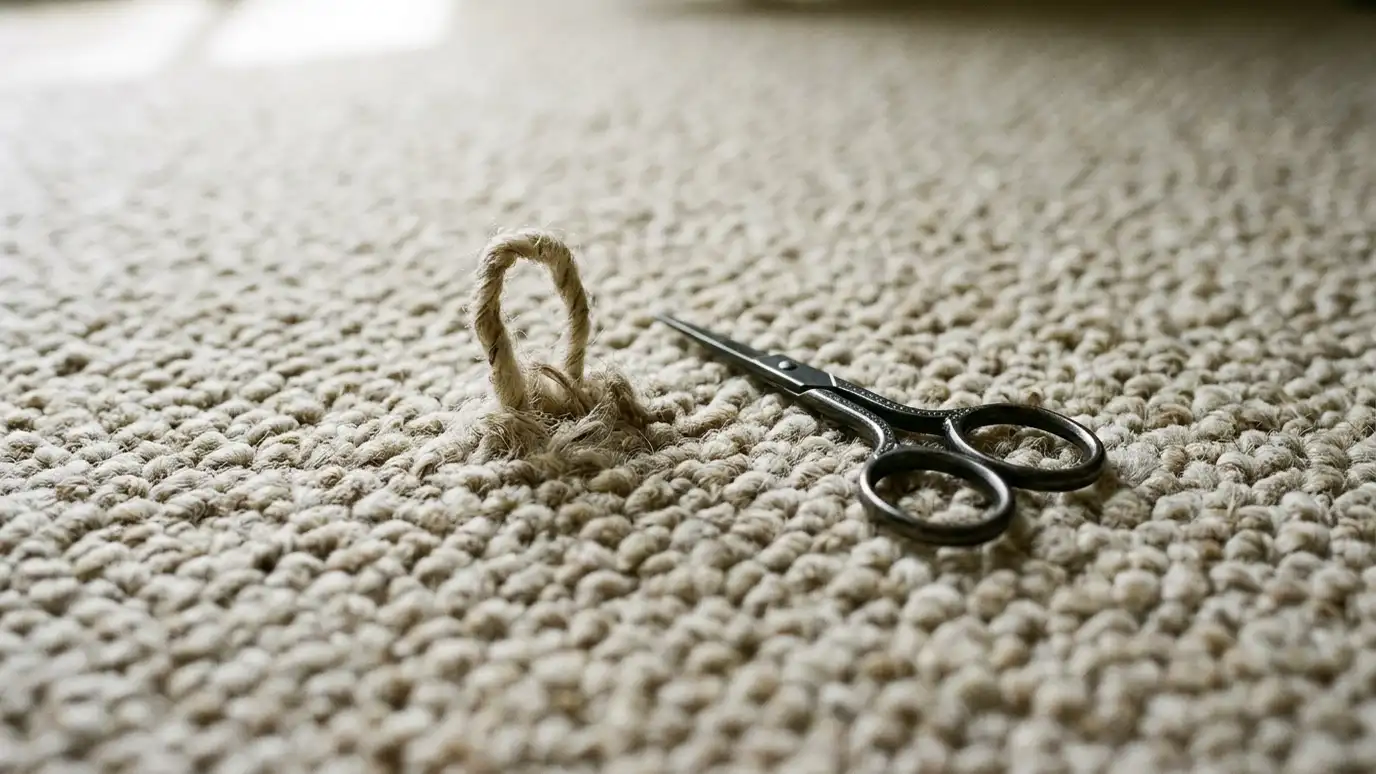 Snag and Pulled Loop RepairRepair for snags, pulled loops and runs in loop pile and Berber carpet, restoring the surface without cutting…Explore
Tell us about your rooms and we will call you back to set up a visit.
Or call (615) 357-7797 to talk now.