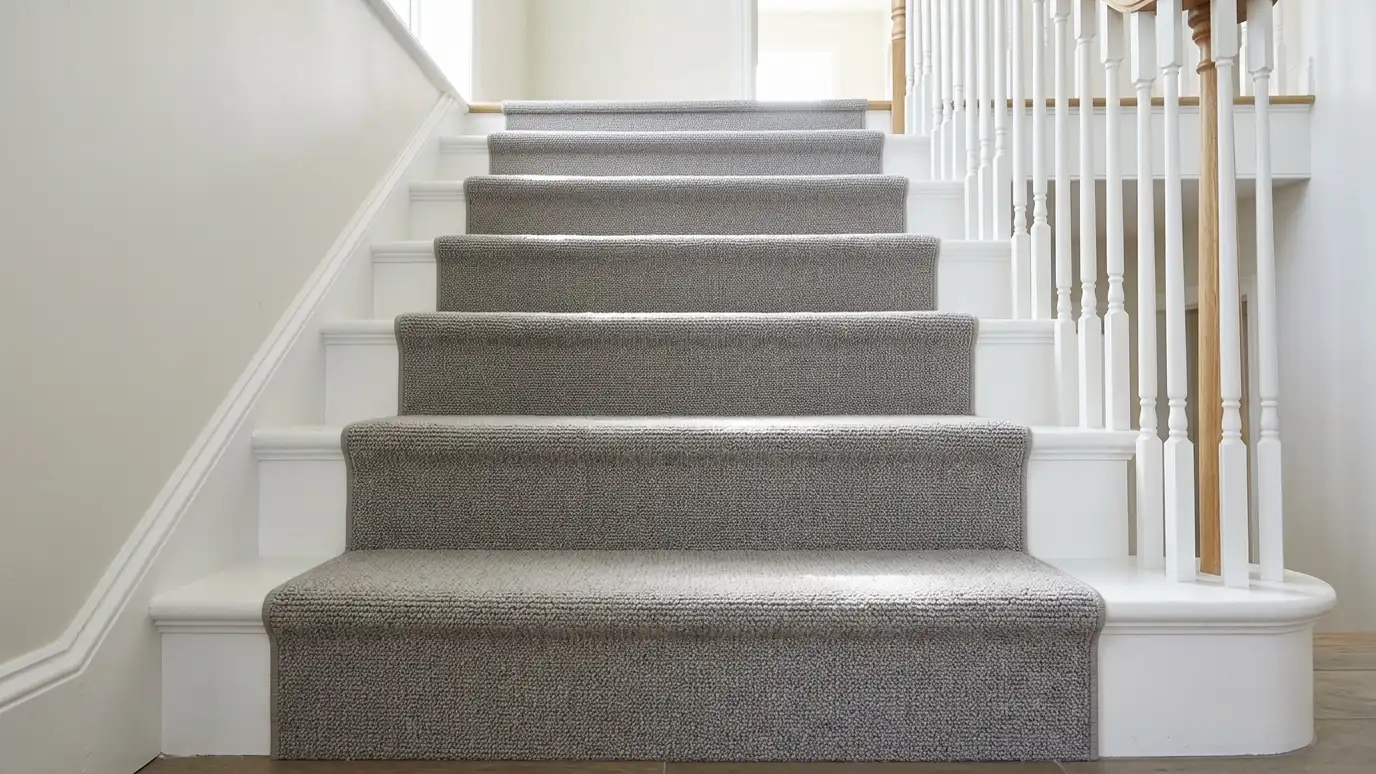
Why stairs are different
Stairs combine heavy traffic, hard edges and a safety need. Every step takes the same wear in the same place, and a loose covering is a hazard.
Choose carpet and pad specifically for stairs rather than copying what is in the bedrooms.
A good staircase is quiet, secure and looks right from above and below.
Pick dense, resilient carpet
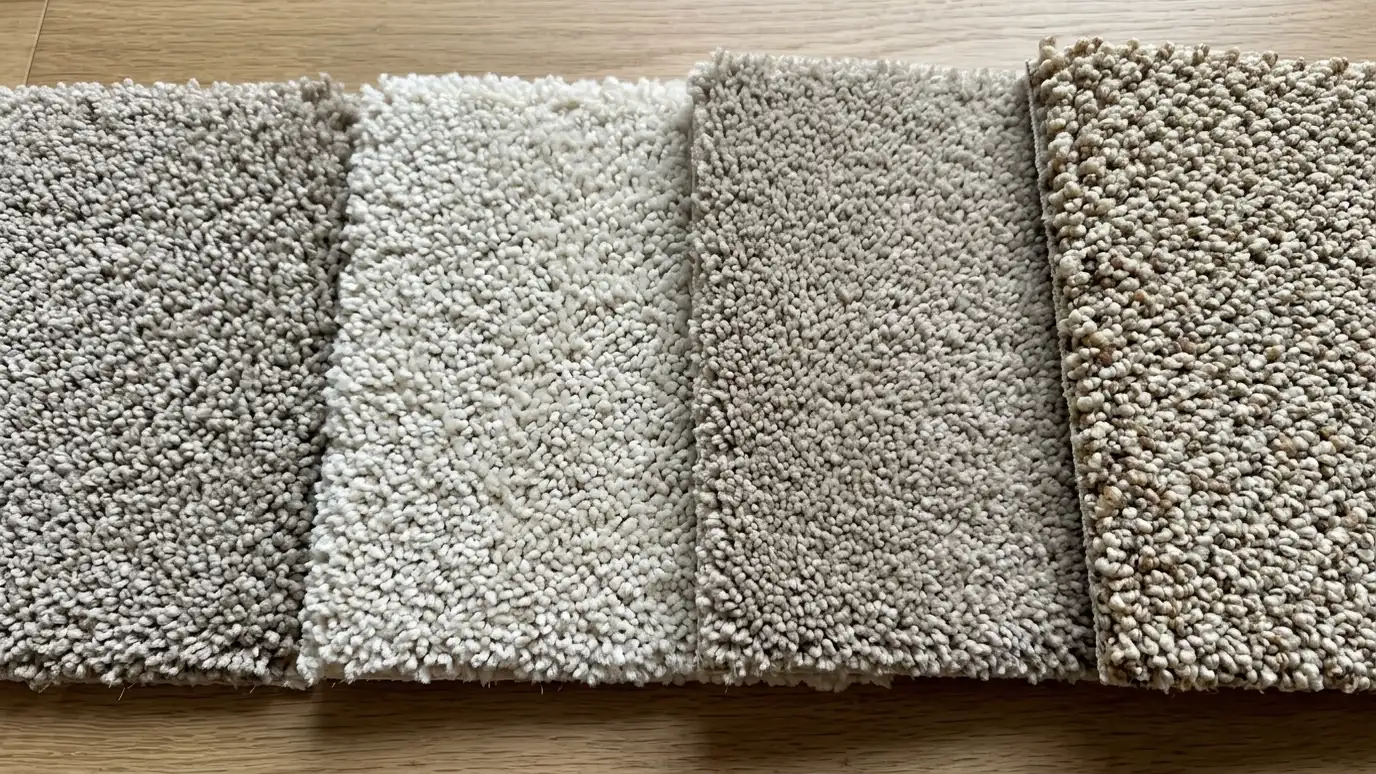
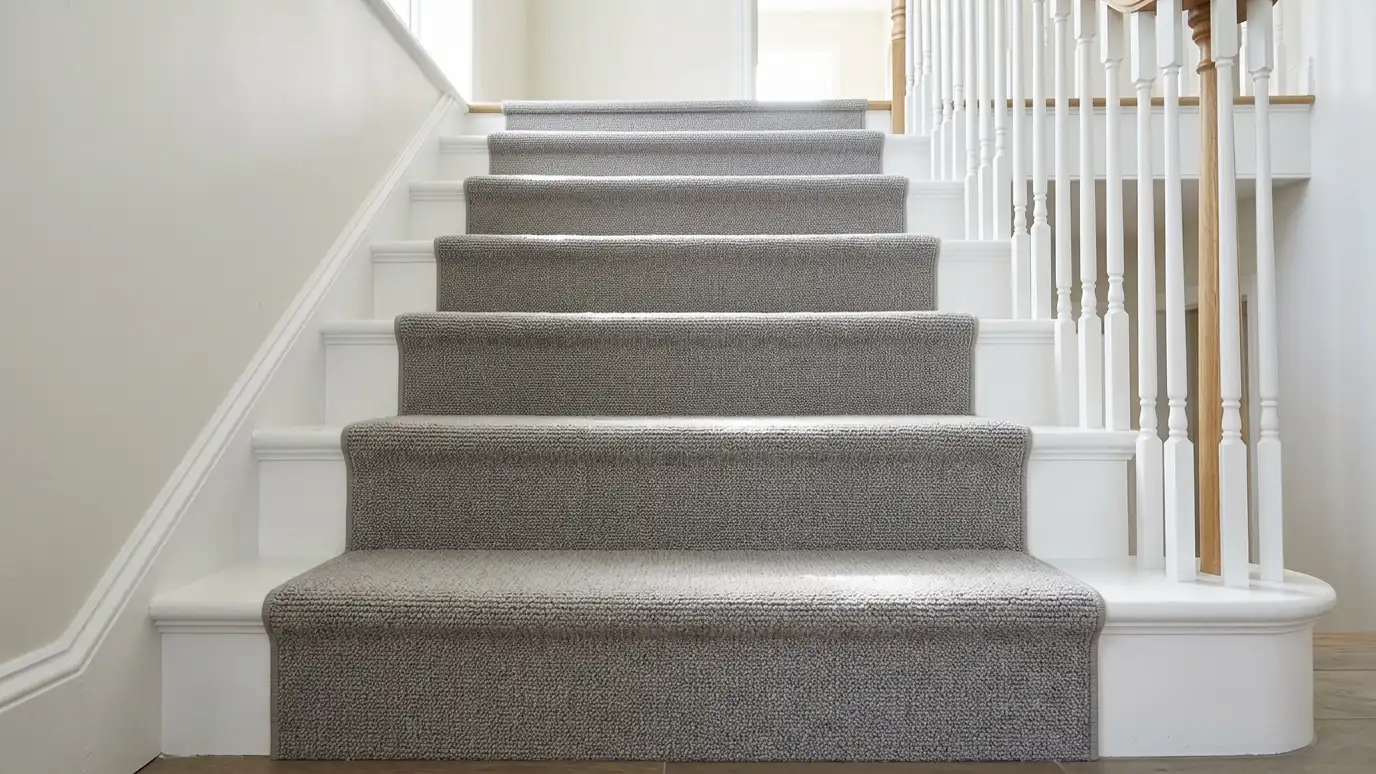
Nylon, wool and solution-dyed carpets in dense, textured or patterned styles are common because they hide wear on the nosing and grip well.
Very soft plush can feel nice but tends to show wear on stairs sooner.
Samples laid on a stair show how a style wraps and wears.
Use a firm pad
Stairs need a firm, dense, usually thinner pad so steps feel solid and carpet stays tight over the nosing.
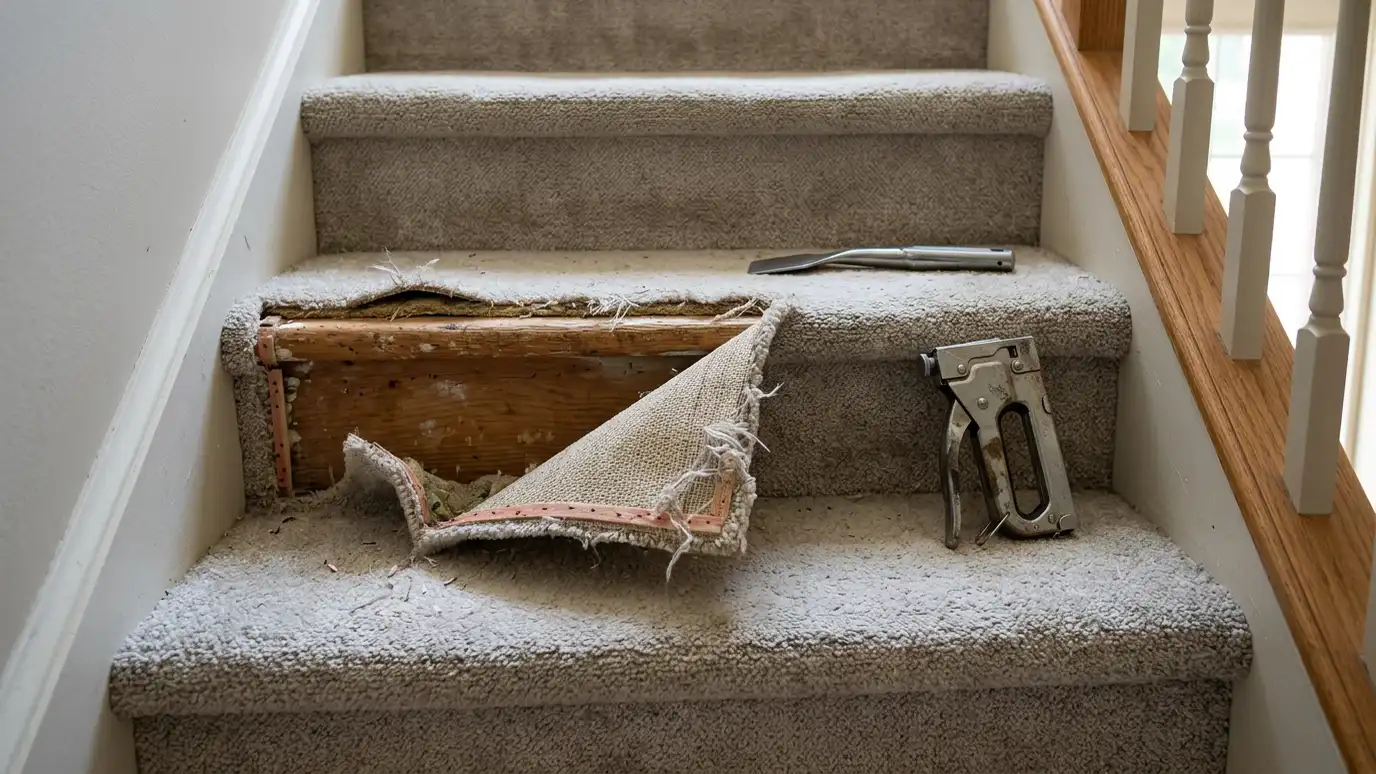
A soft pad can feel springy and cause the carpet to wear and loosen at the edges.
We recommend a stair-specific pad.
Waterfall or cap-and-band
Waterfall carpet flows over the nosing in one piece and gives a continuous look. Cap-and-band, sometimes called Hollywood, covers each tread and riser separately for a tailored look.
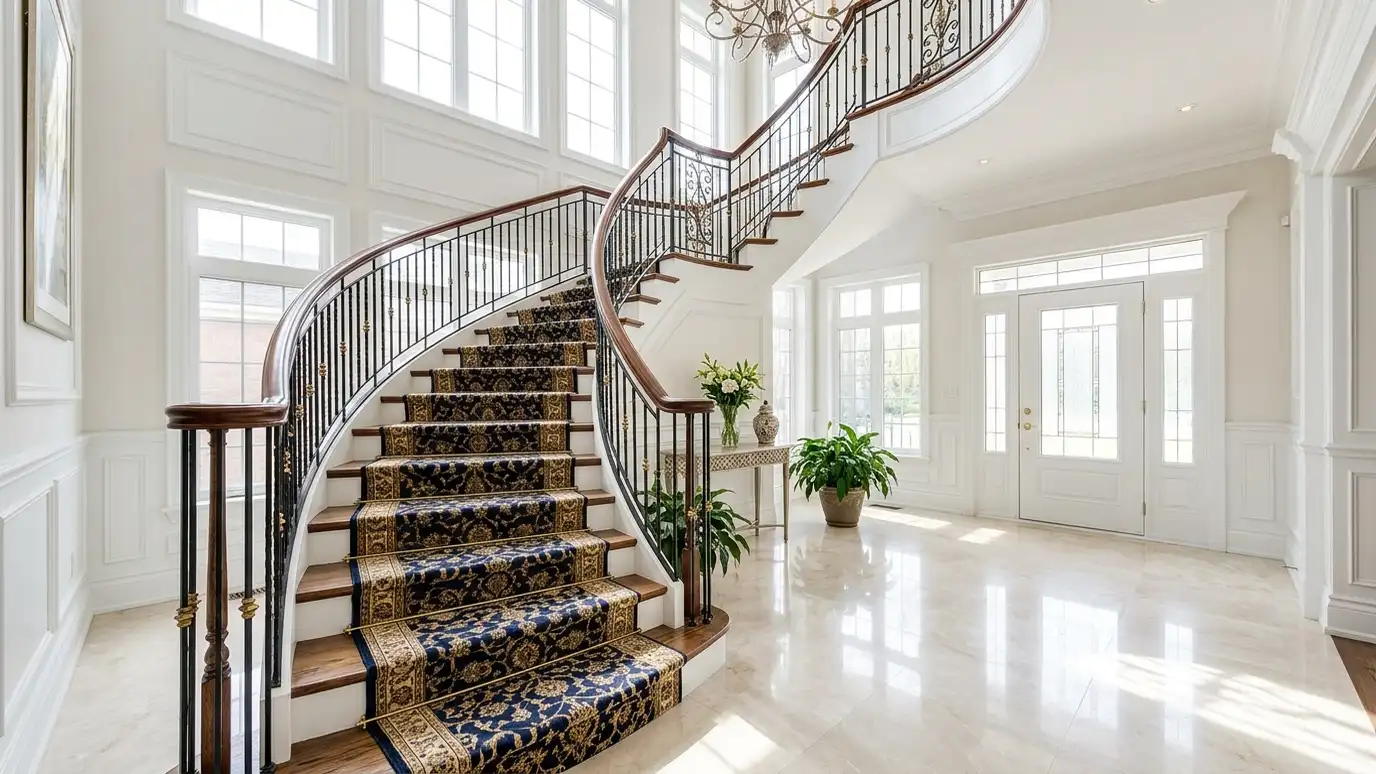
Curved and open stairs need careful templates and patterns.
We walk through the options on your staircase.
Runners
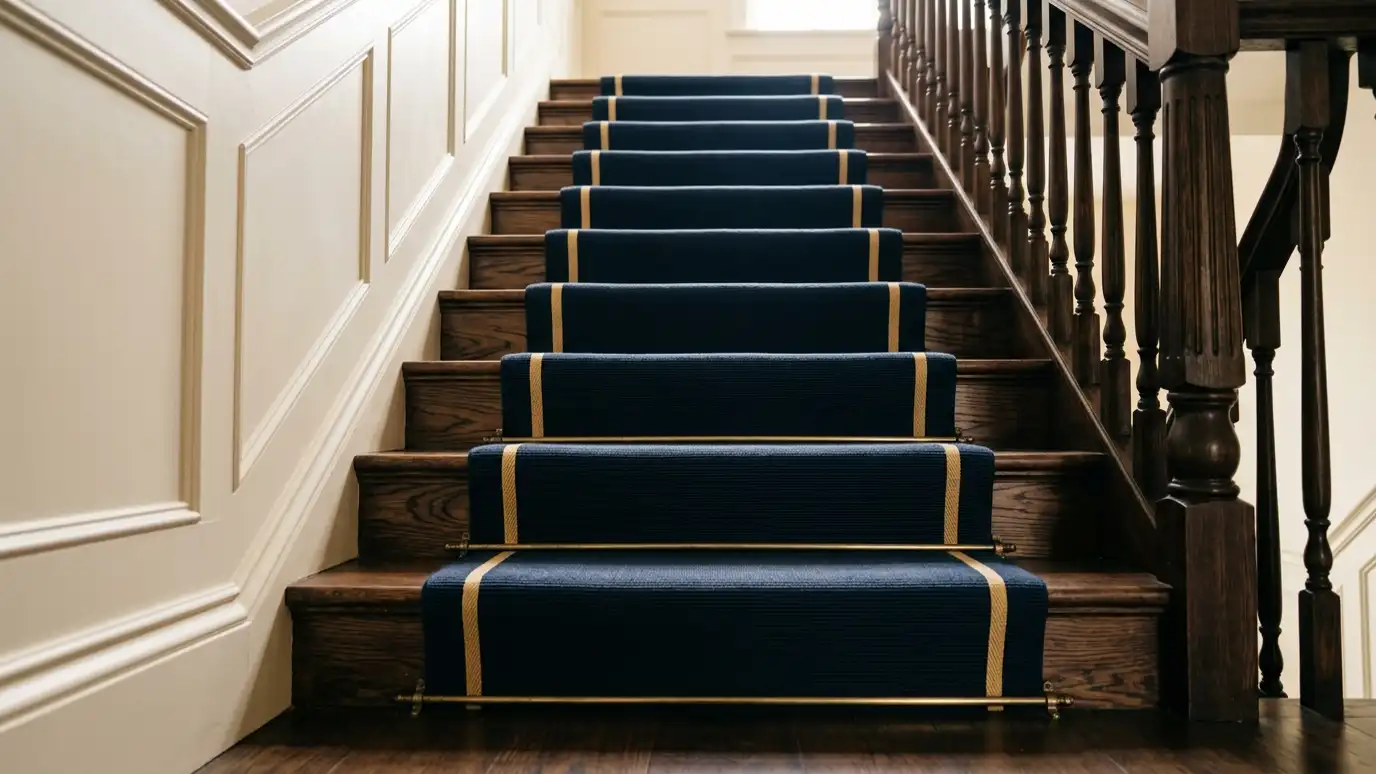
A runner leaves the wood visible on each side and protects treads. It can be held with rods or tack and finished with bound edges.
Runners suit wood stairs and historic homes and are easier to change than full carpet.
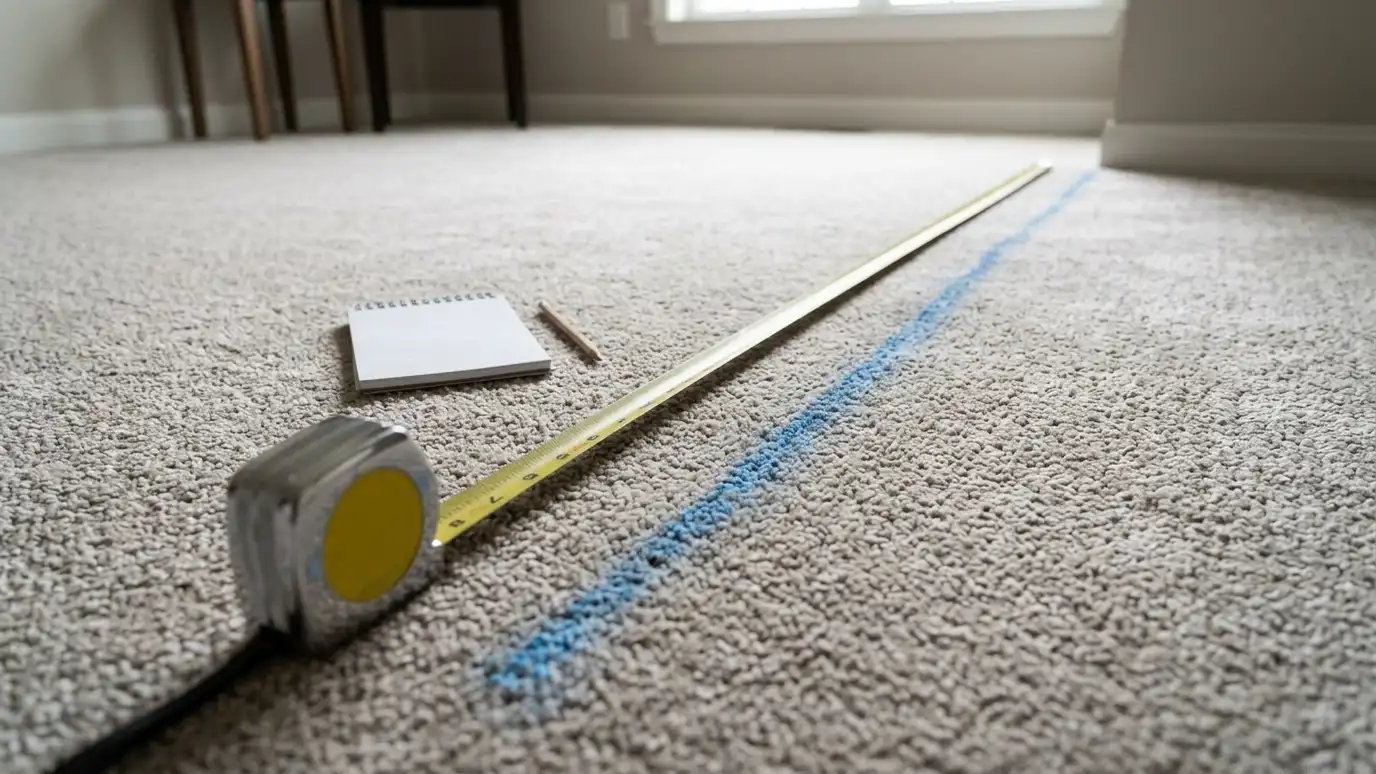
We measure for width and plan the edges.
Care and safety
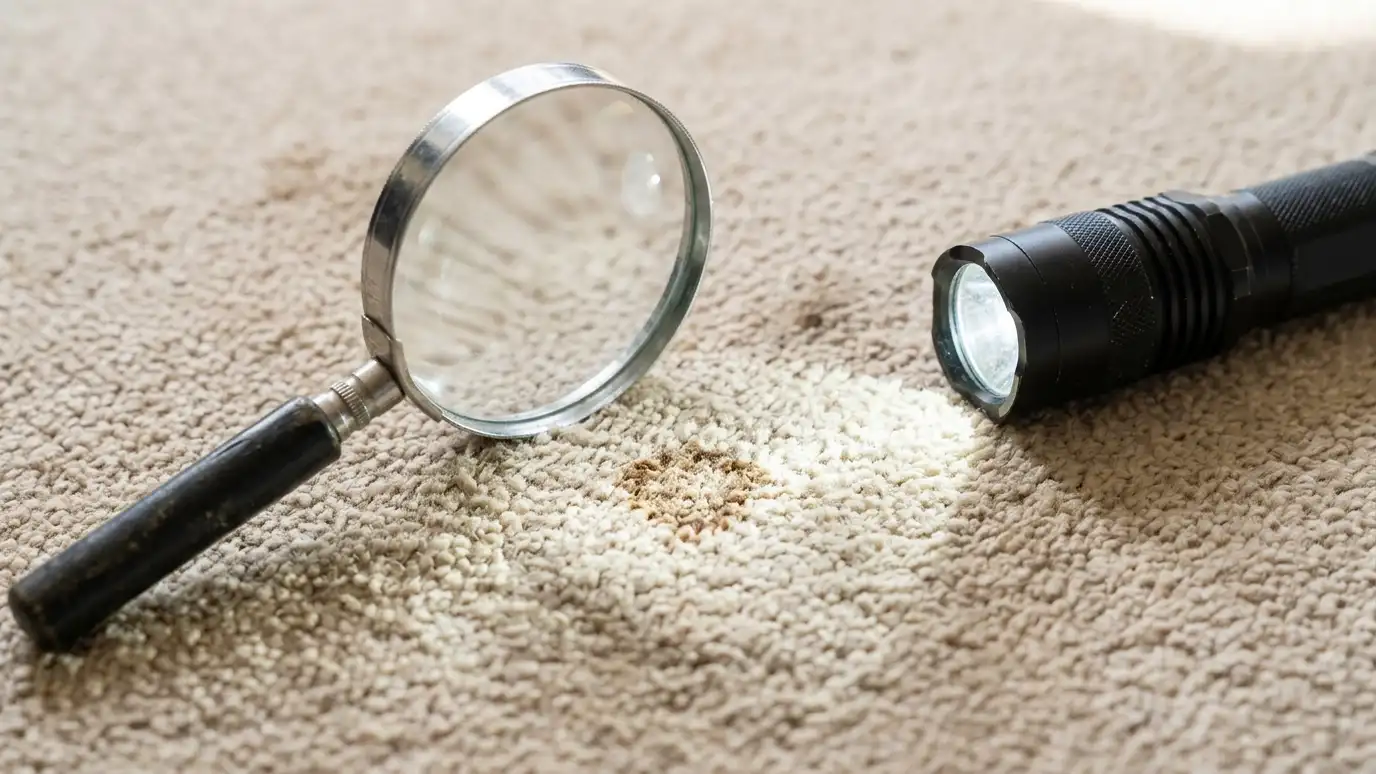
Vacuum stairs regularly with attachments and clean with methods that do not push water into the pad.
If carpet loosens, call early. A loose stair covering is a trip hazard.
Contrasting edges and good lighting add safety.
Choose dense, resilient carpet and a firm pad for stairs, and have them installed tight, with every tread checked.