Start with use and traffic
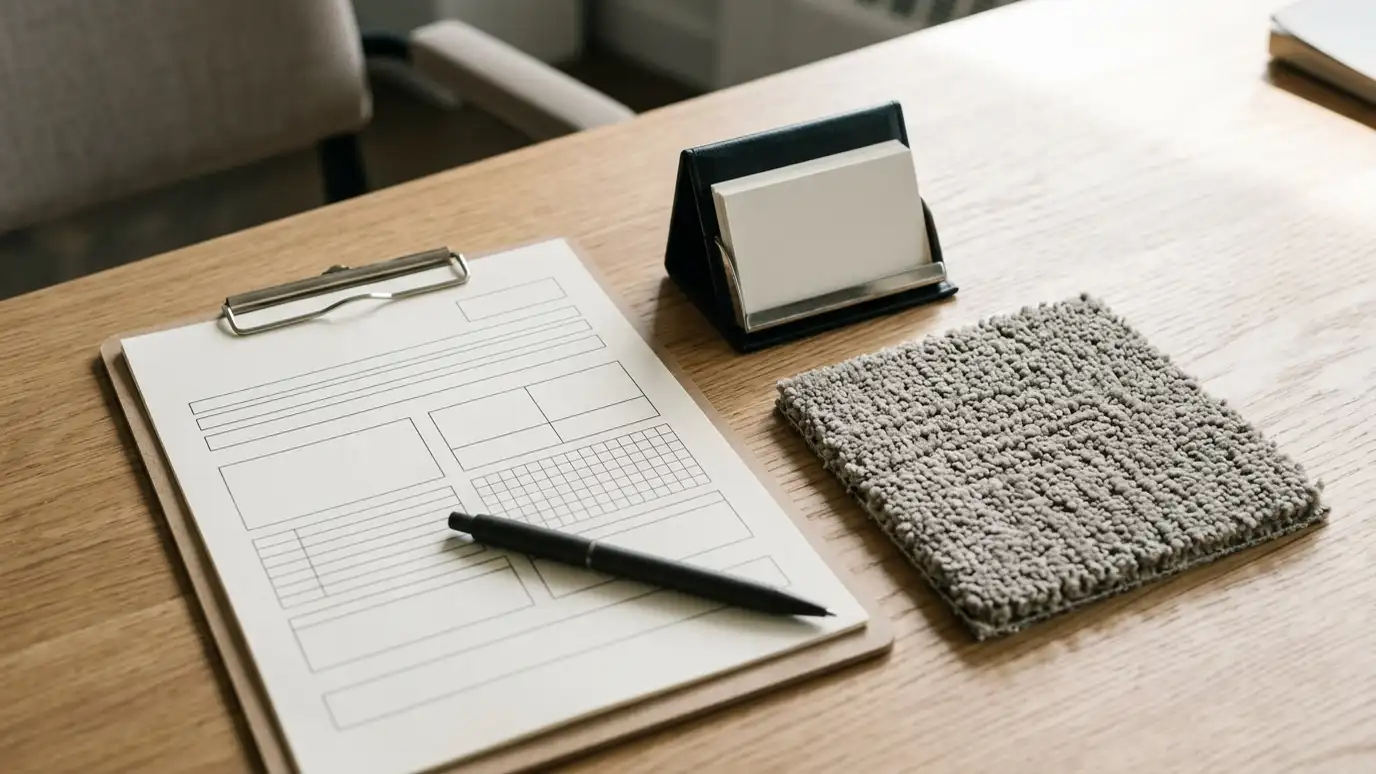
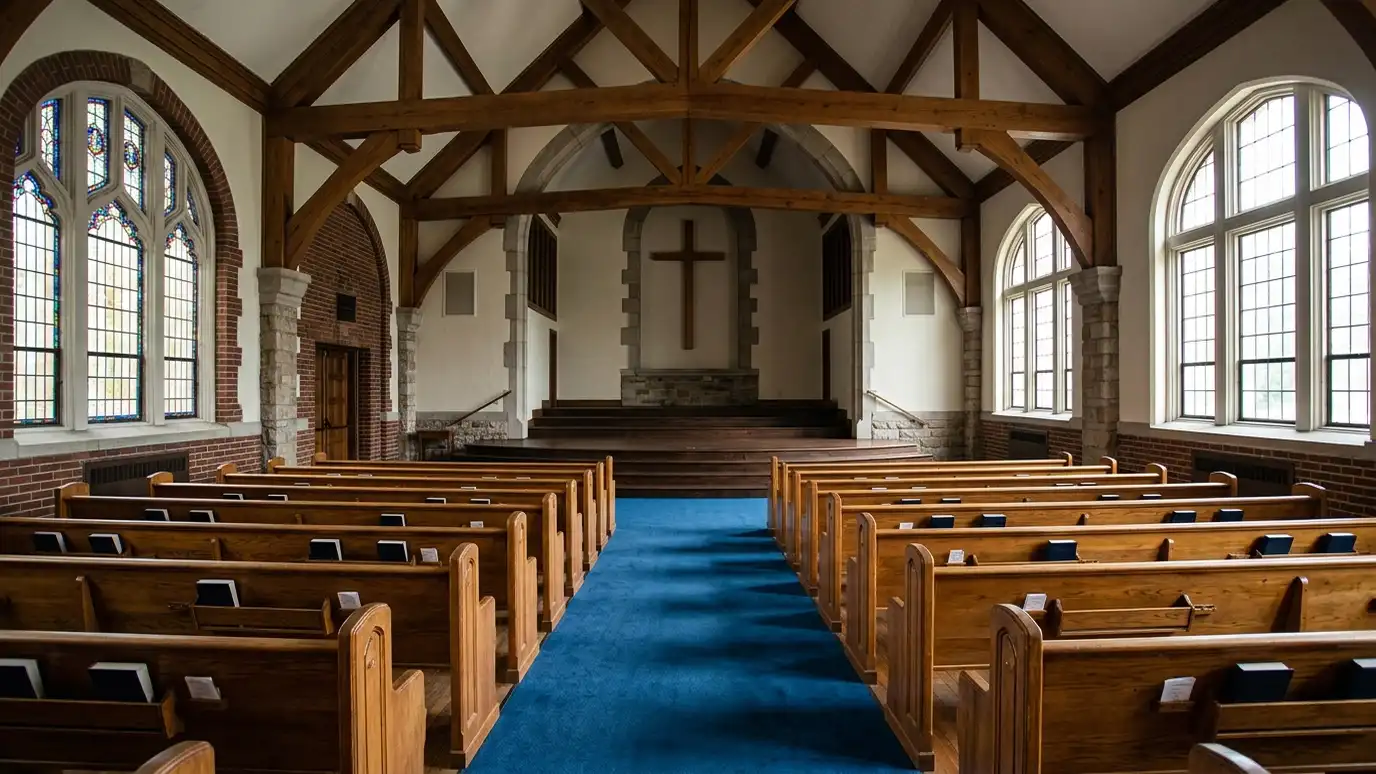
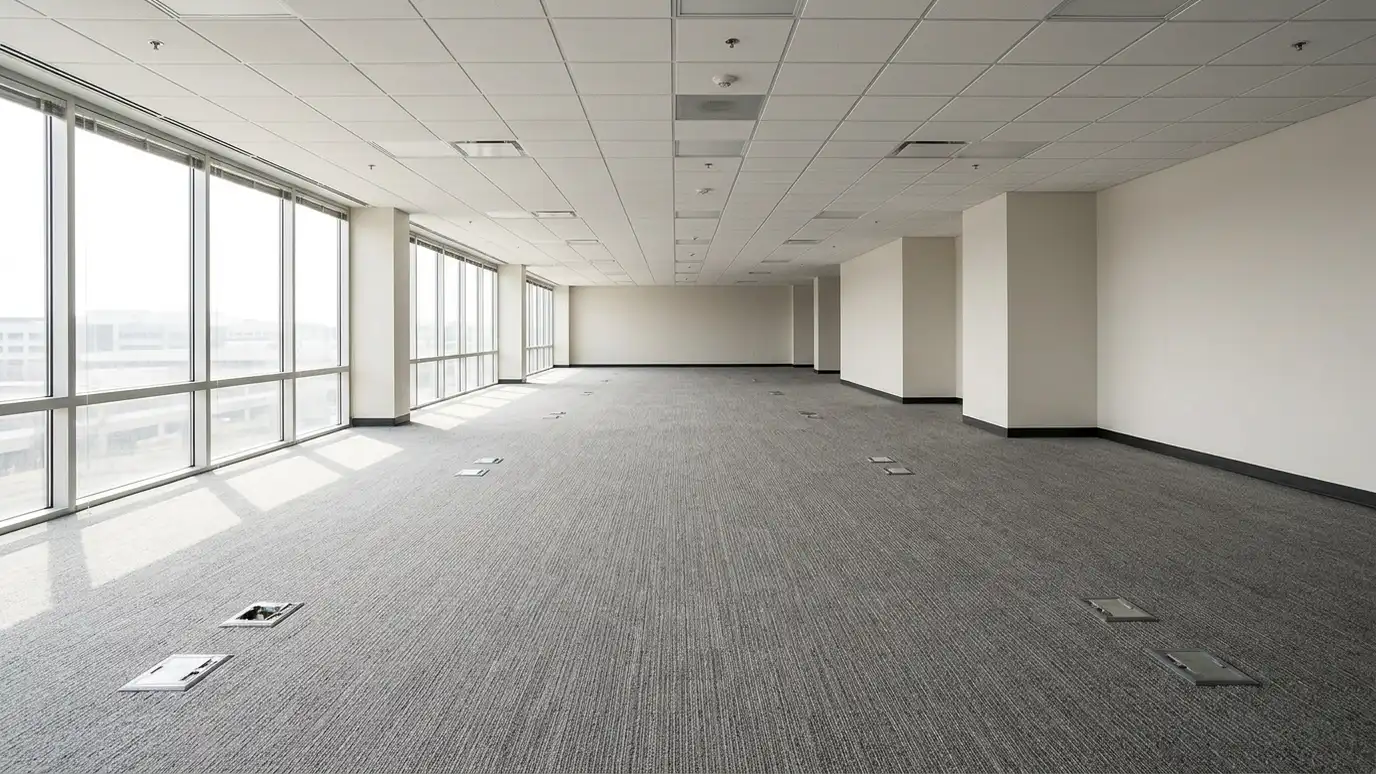
Offices, sanctuaries, classrooms, corridors and lobbies all have different traffic, rolling loads and cleaning needs. Map traffic and equipment before choosing materials.
Think about spills, entries and how the space is cleaned.
Good planning prevents mismatches between product and use.
Broadloom or carpet tile
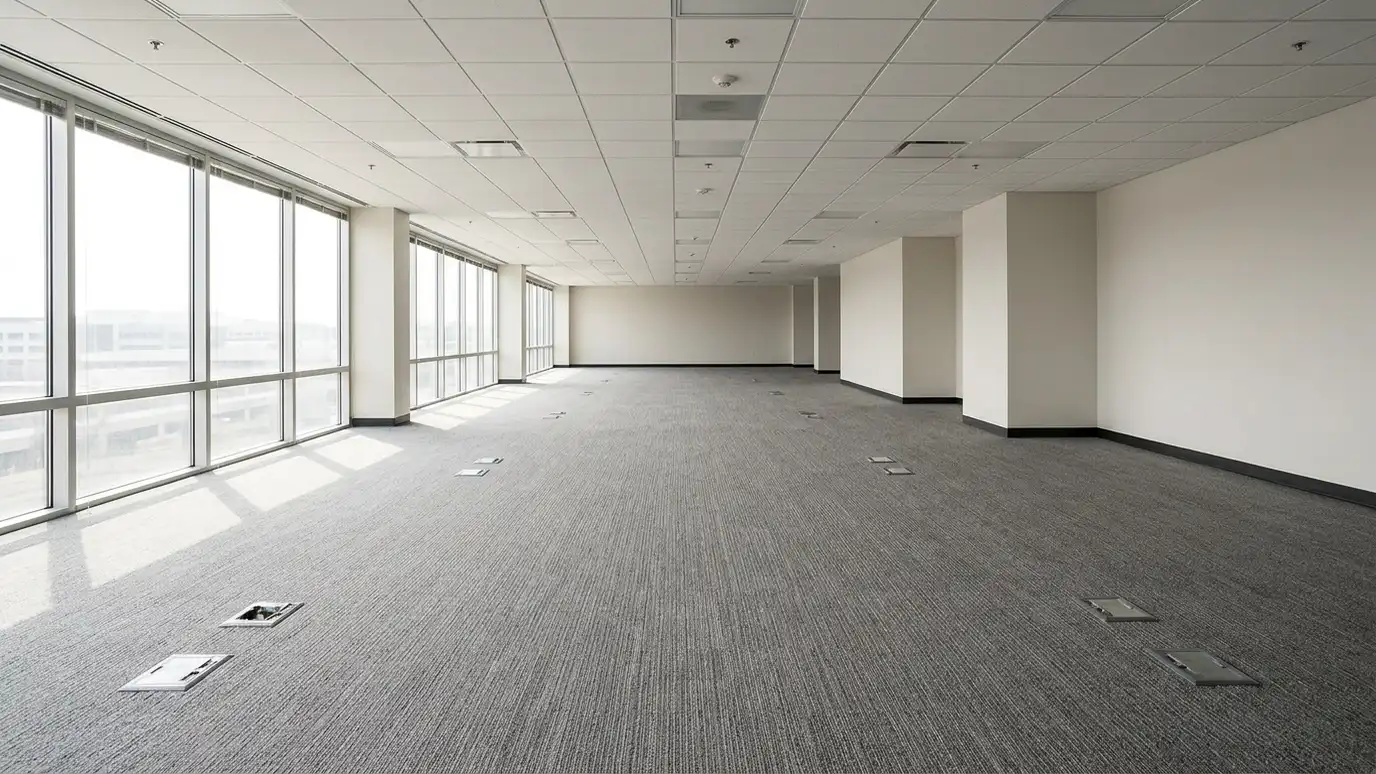
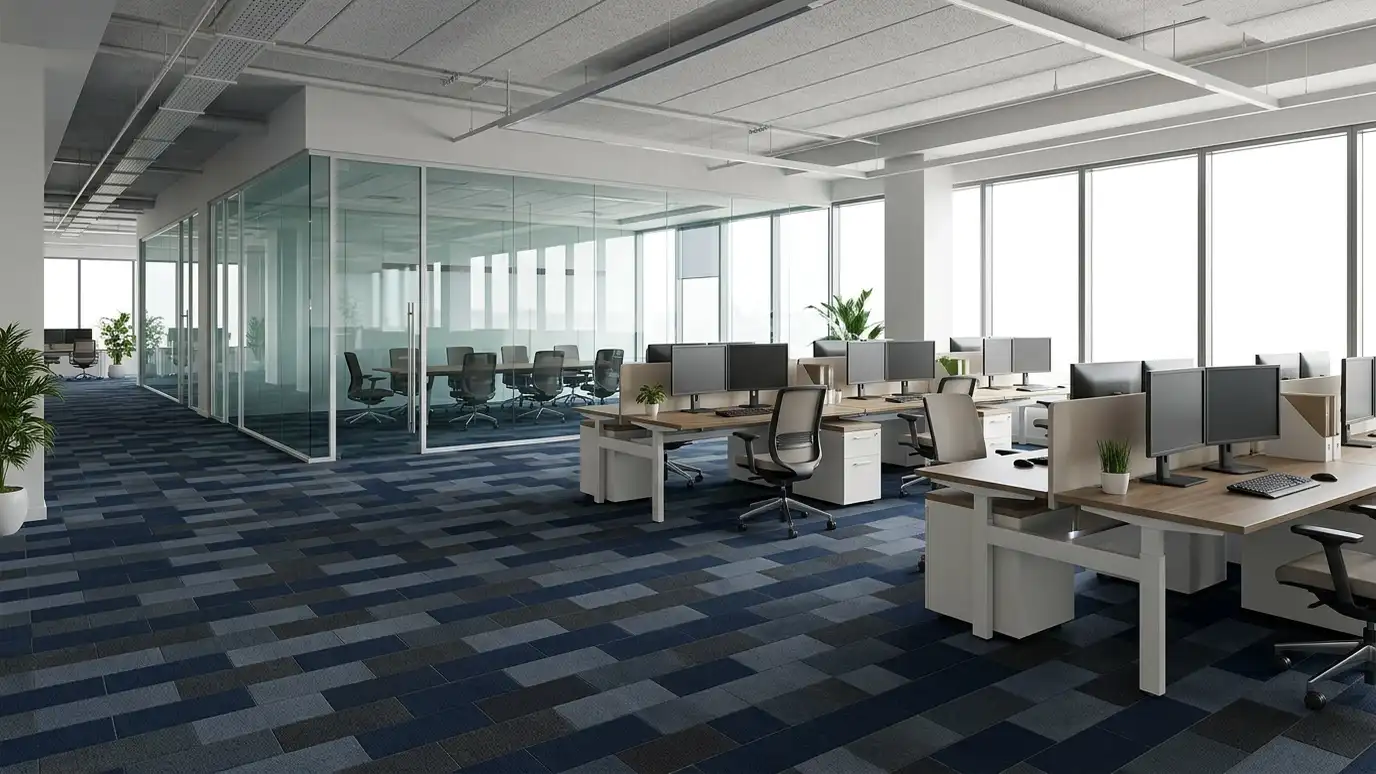
Broadloom gives a continuous look and efficiency over large areas. Carpet tile is easy to replace in sections and offers design flexibility.
Tiles work well over raised floors and concrete, and spare tiles make repairs simple.
We compare both for your space.
Choose the installation method
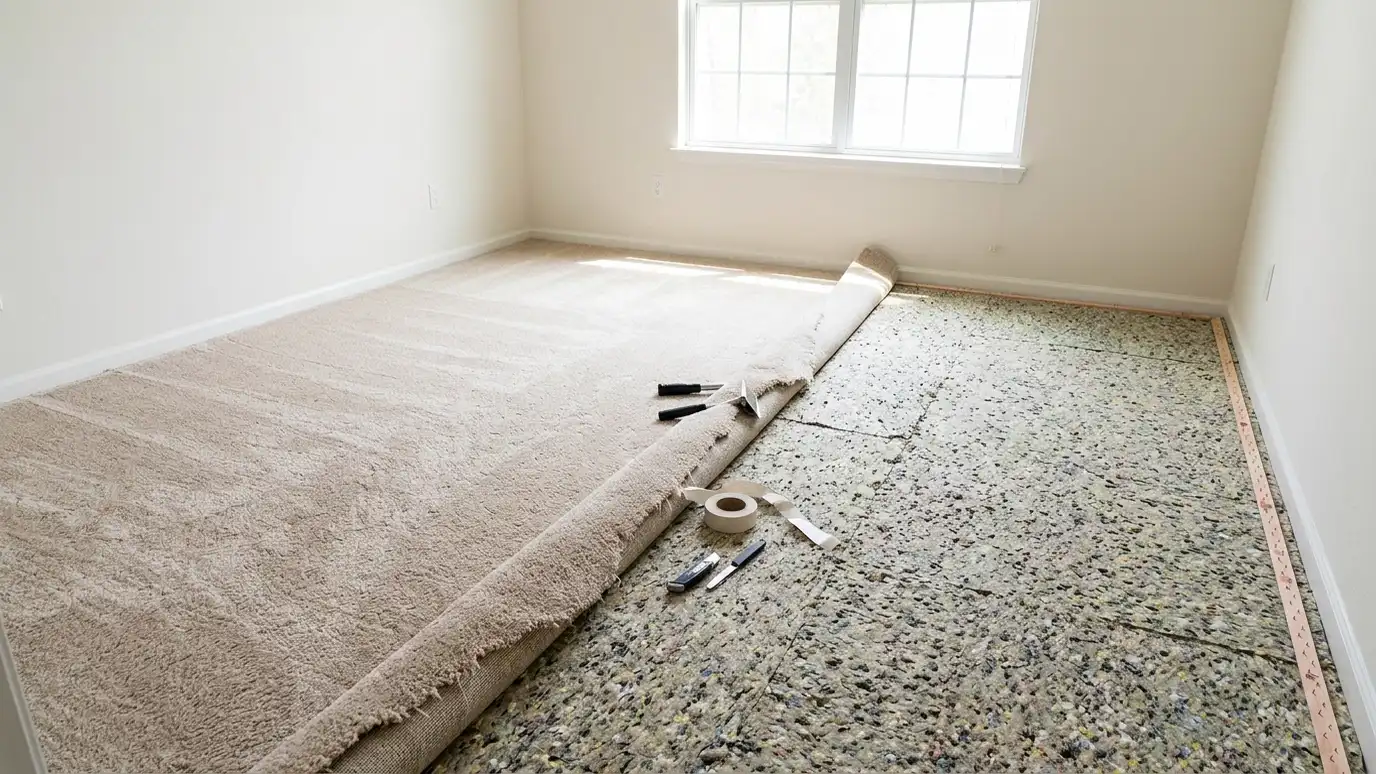
Glue-down, double glue-down and stretch-in each suit different spaces. Rolling loads and heavy traffic often favor glue-down or tile.
Moisture testing on concrete matters before glue-down.
We explain the method in your scope.
Think about sound and safety
Carpet reduces noise, which helps open offices, sanctuaries and classrooms. Safe edges and transitions matter for accessibility needs.
Low-emitting products matter in schools and healthcare spaces.
Share any special requirements with us early.
Plan phasing
Occupied buildings can be done in zones, after hours or in weekend blocks. Furniture moving and IT needs affect the plan.
Tell us the key dates and quiet periods.
We write the phasing into a schedule.
Plan maintenance
A cleaning program with low-moisture maintenance and periodic extraction keeps carpet looking sharp. Keep spare tile and records of products and colors.
Entry mats extend carpet life.
We can set up a maintenance plan after installation.
Choose carpet by use, pick the install method for your floor, plan phasing around operations and set a maintenance plan from day one.