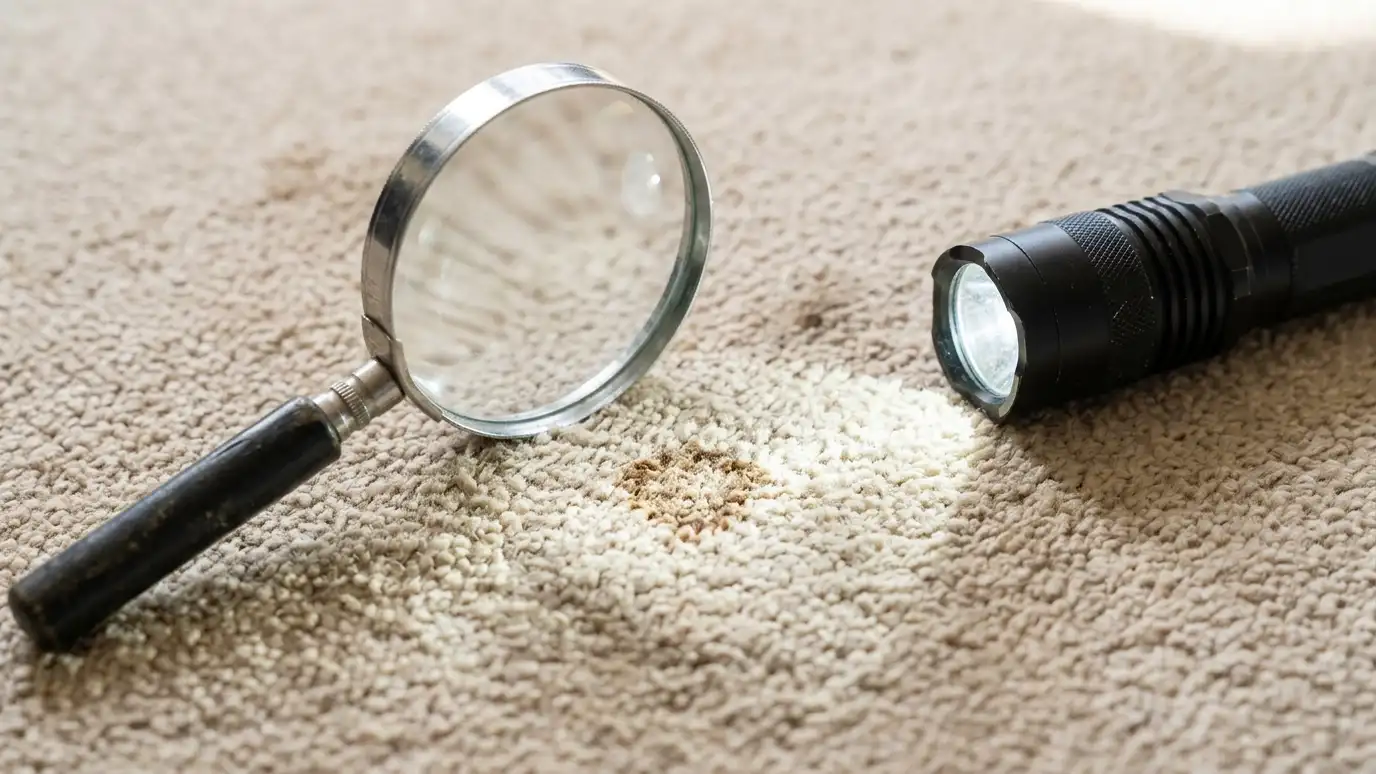
Look at the pattern of damage
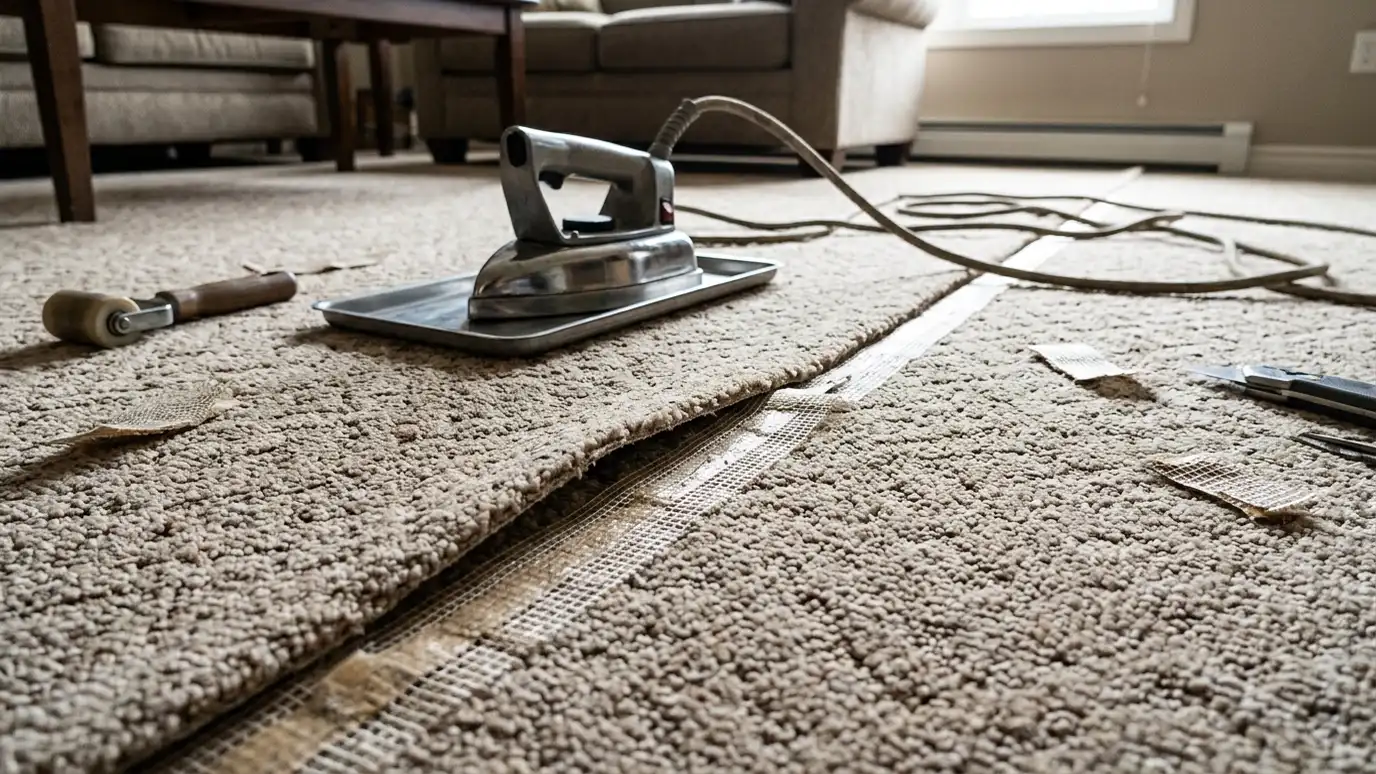
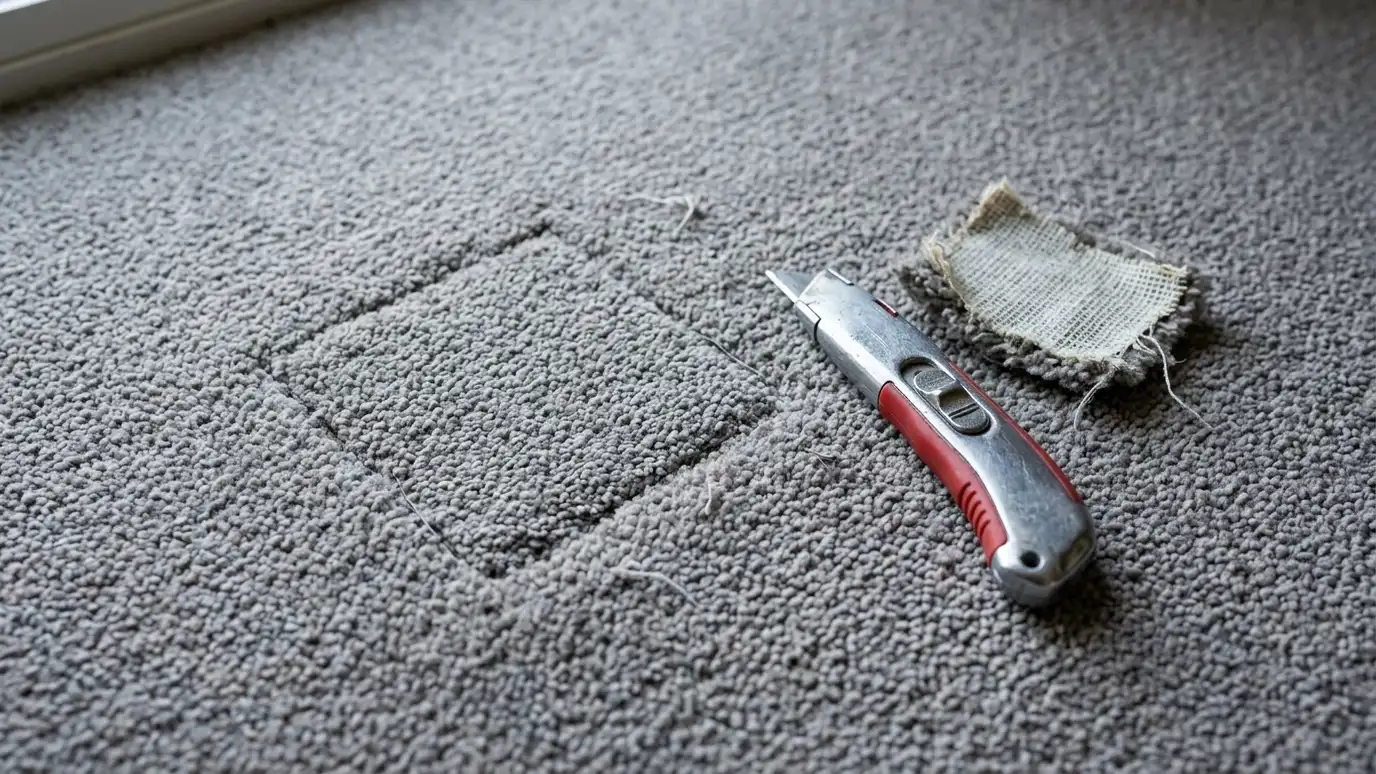
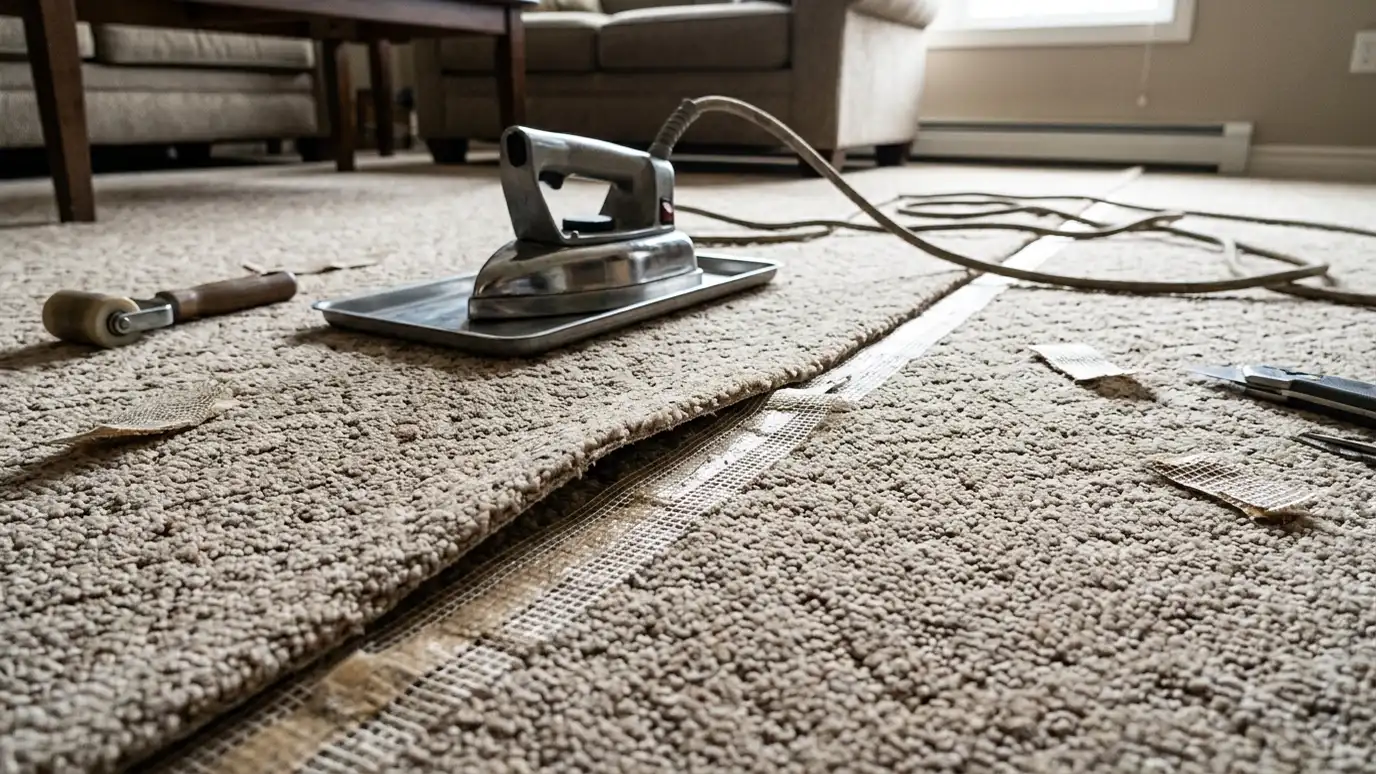
A single burn, a loose seam or a ripple in one room are good candidates for repair. Matting, fading and wear across whole rooms point toward replacement.
Take photos of problems and a step-back photo of each room.
The pattern tells you more than any one spot.
Consider the age and quality
Carpet that was dense and well made can be repaired and cleaned for many years. Light, loosely built carpet may not hold repairs and can look tired soon after.
The pad matters too, because a worn pad can make carpet feel flat even when the carpet is fine.
We tell you honestly what we see.
Think about matching
A patch needs matching carpet from a closet or a leftover piece. If none is available, repair may be limited.
Discontinued carpet can make replacement of part of a room hard.
We look for the best match before we recommend a repair.
Cleaning first
Many carpets that look worn are simply dirty. A professional cleaning can restore color and lift traffic lanes.
Stains and odors may also respond to treatment.
We often suggest cleaning before a repair or replacement decision.
Restretching
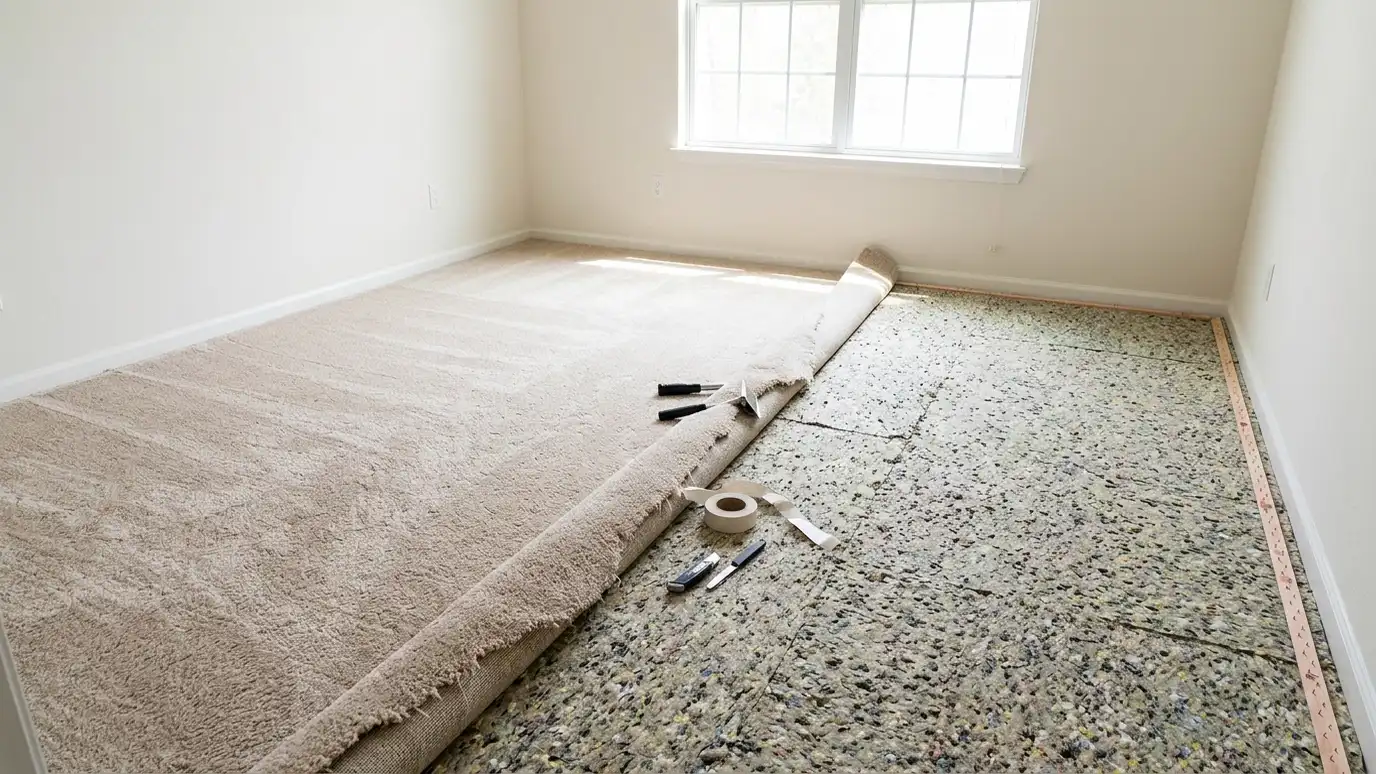
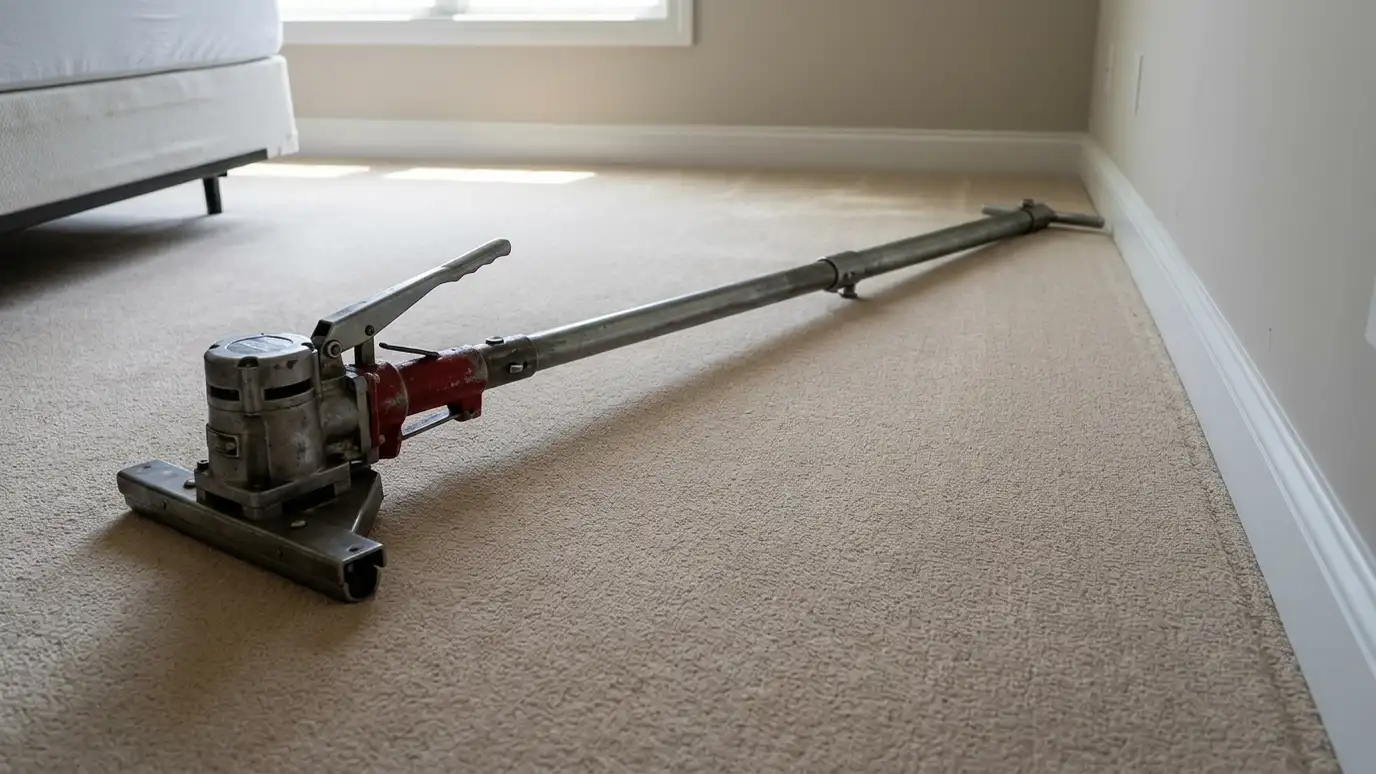
Ripples and wrinkles are often fixed by restretching, which pulls the carpet tight again and re-anchors it.
If the backing is damaged or the pad has broken down, restretching may not last.
We check before we recommend it.
When to replace
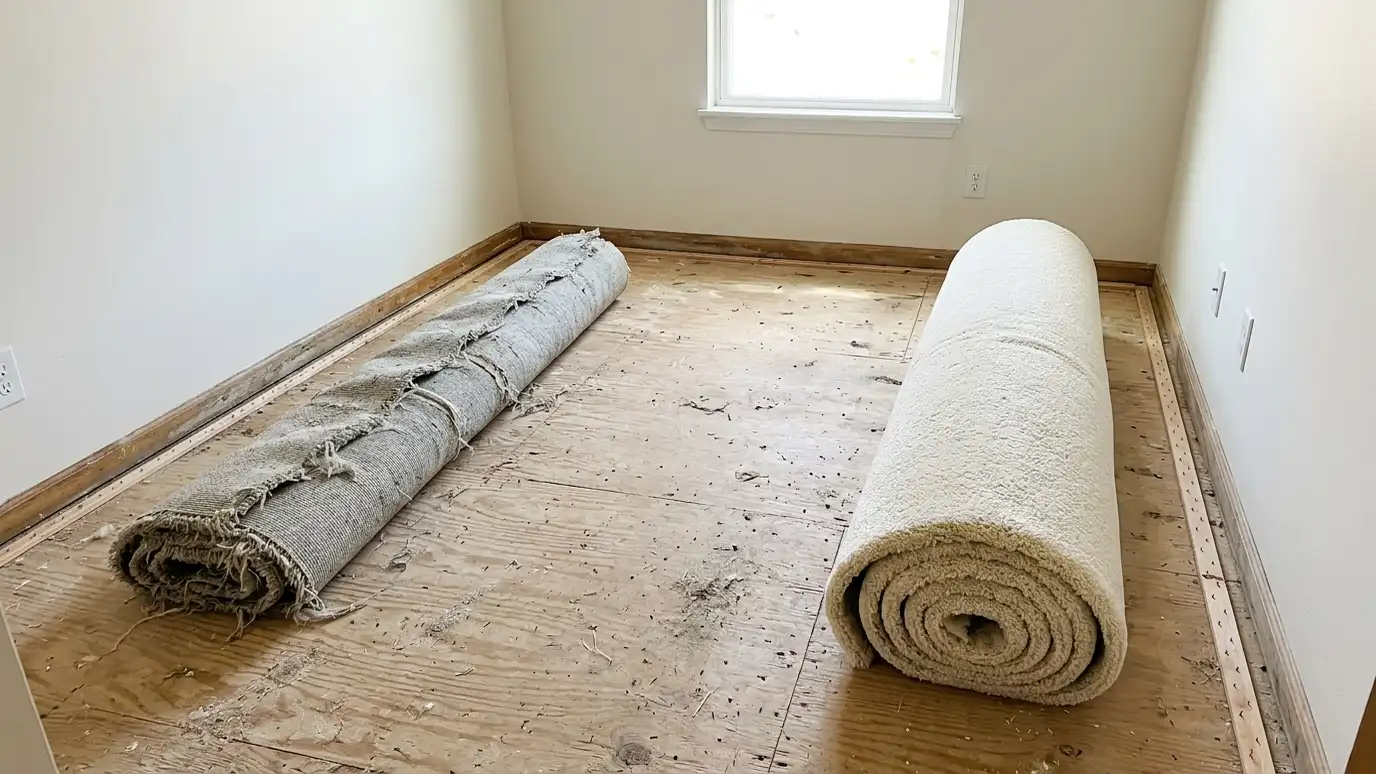
Replace when wear, damage, odors or moisture problems cannot be fixed, or when the carpet no longer suits your needs.
Replacement is also a chance to improve the pad and subfloor.
We write both options into a scope so you can compare.
Repair isolated damage, clean for soil and restretch ripples, and replace when wear or damage is widespread.