The two sides of carpet and air
New carpet, cushion and adhesives can release volatile organic compounds when new, which is the new-carpet smell. Carpet also traps dust, pollen and dander, which can matter to people with allergies.
Both sides can be managed with good product choices, installation habits and care.
No single product or label solves everything.
Look for low-emission labels
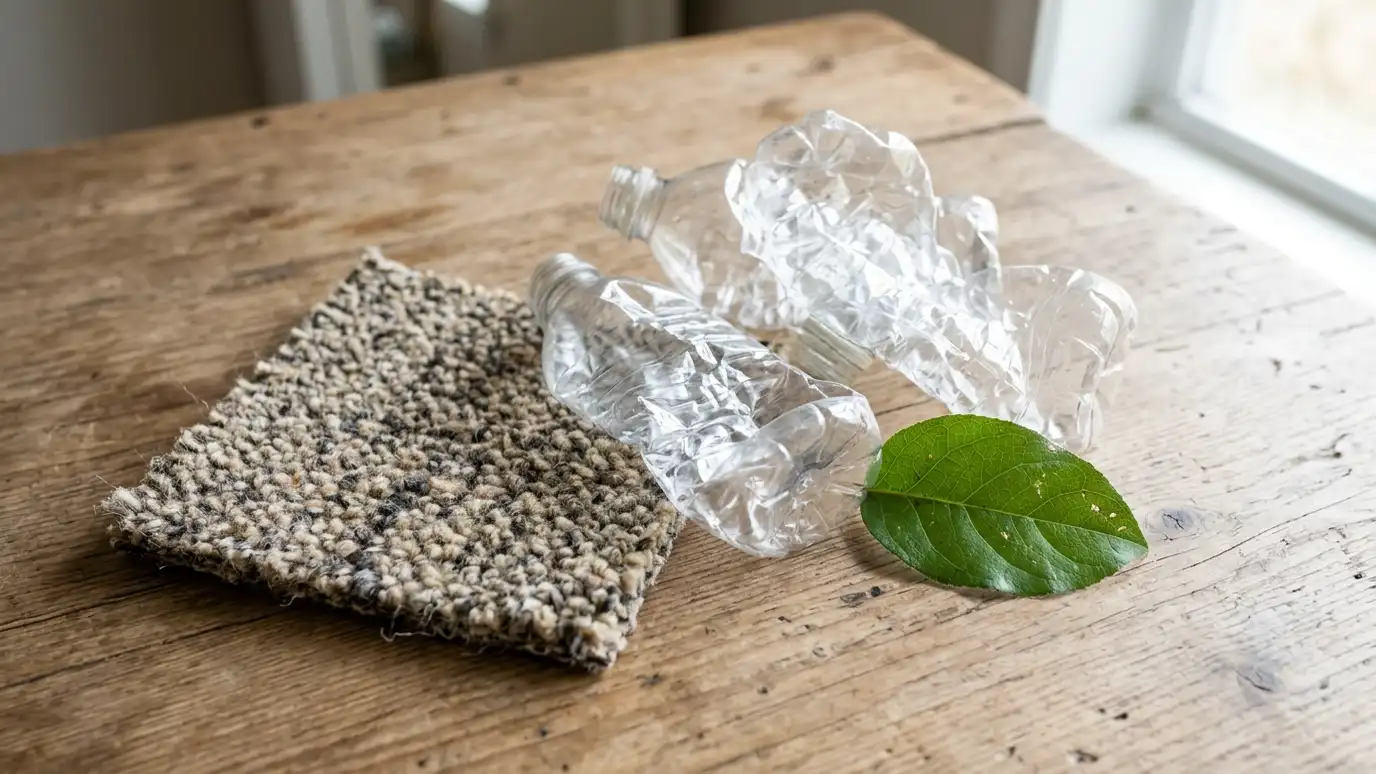
Programs such as Green Label Plus test carpet, cushion and adhesives for low emissions. Other programs cover other products, such as hard-surface flooring.
Ask each seller which products carry a label and for documentation.
Labels are helpful, but they are a starting point.
Think about the whole system
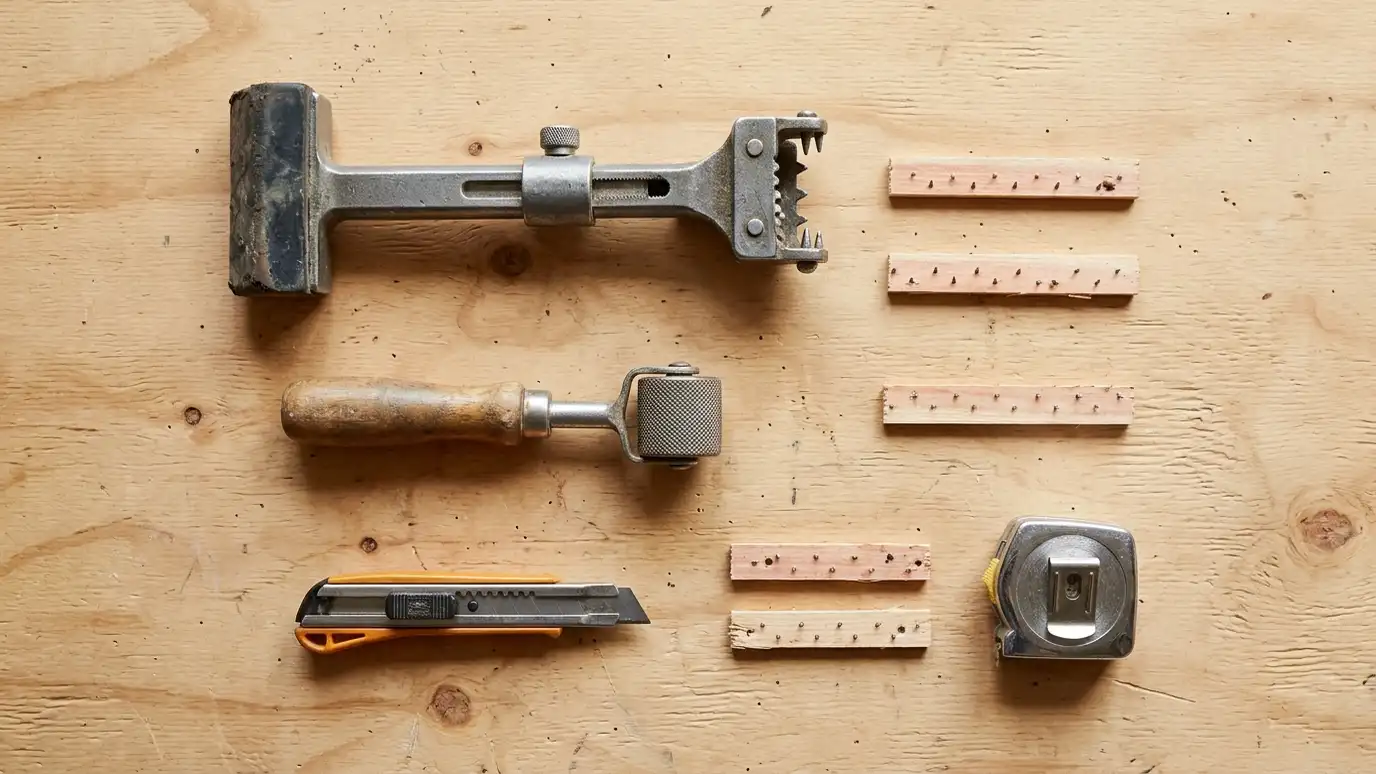
Carpet is only one part. Pad and adhesive also matter, and stretch-in installation uses less adhesive than glue-down.
Ask which adhesives will be used and whether low-emitting options exist.
We can recommend products and describe how we install.
Ventilate during and after
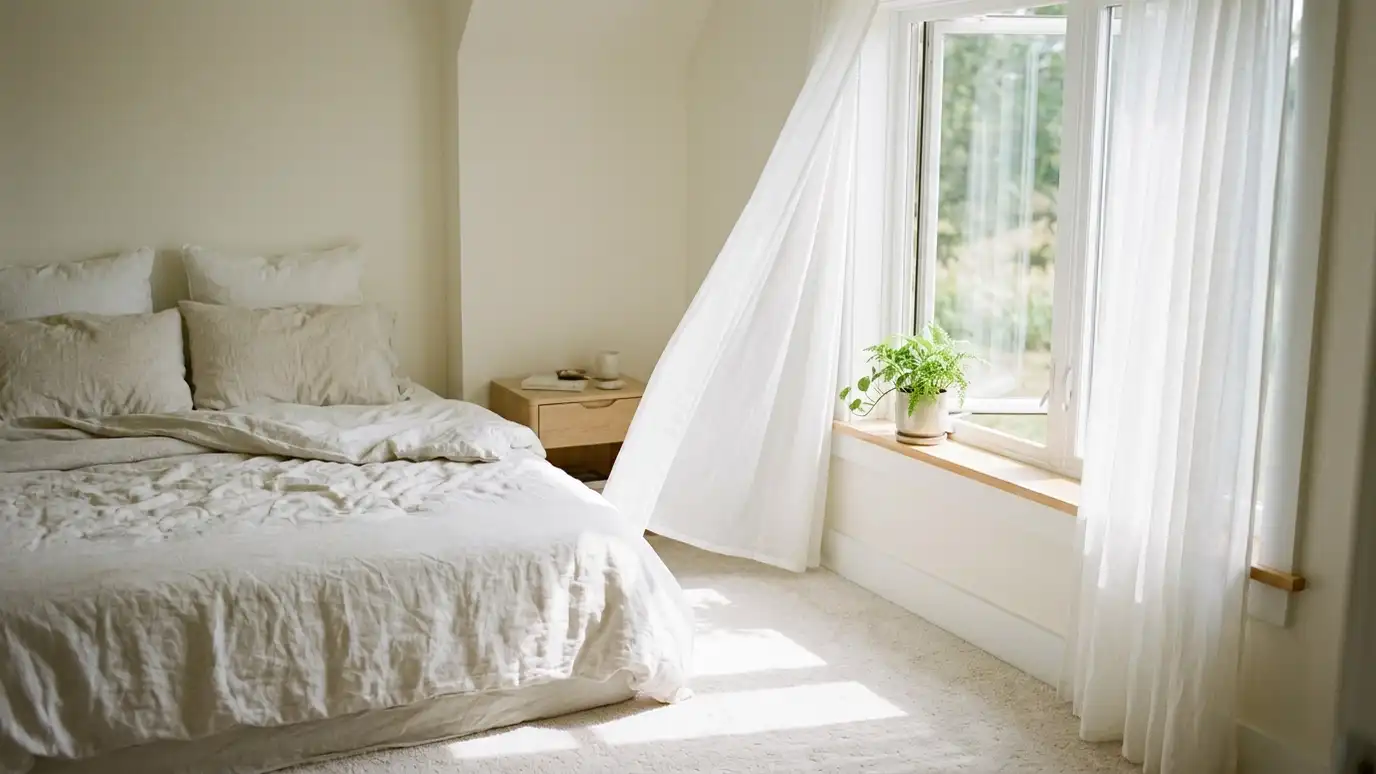
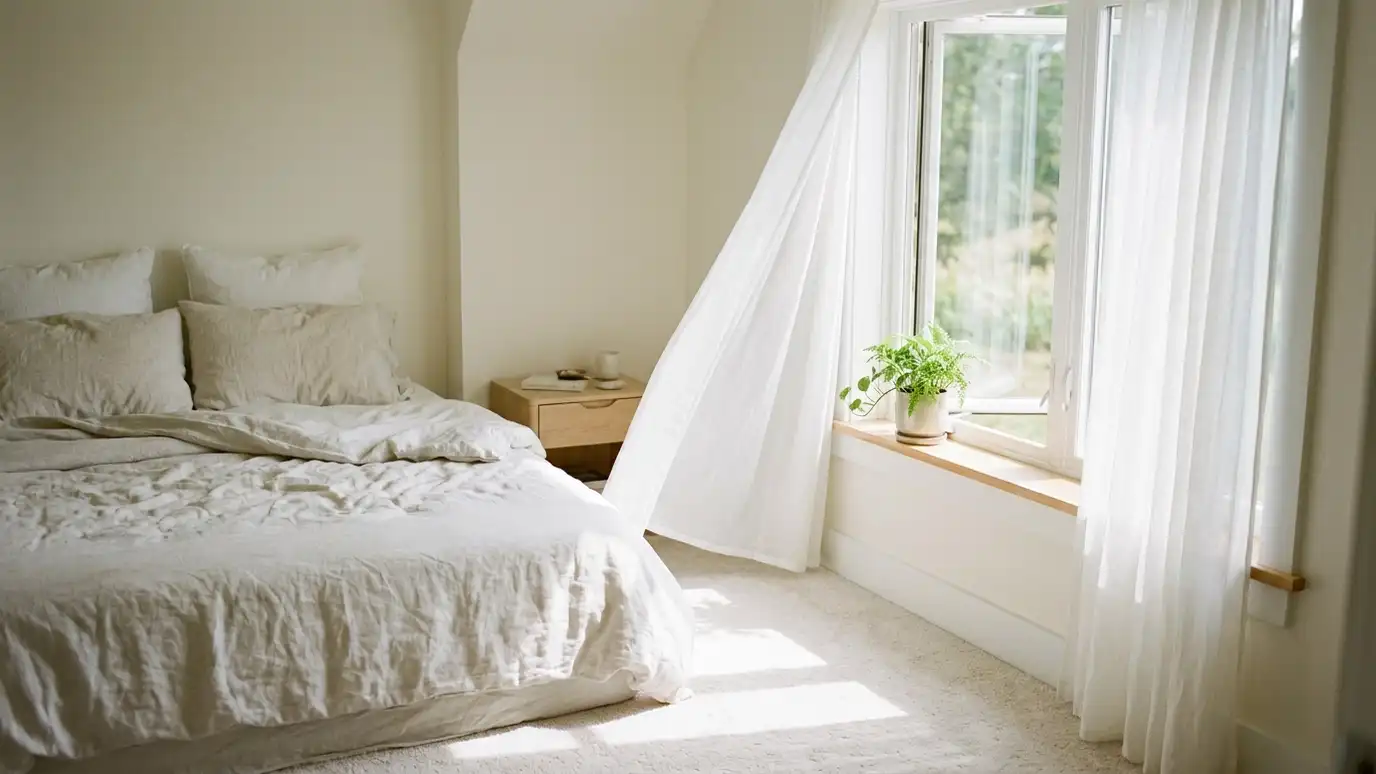
Open windows, run fans and keep air moving during installation. Plan to air the rooms for a period afterward, especially bedrooms.
If you are sensitive, schedule the work when you can stay elsewhere for a time.
We discuss timing with you before we begin.
Vacuum and clean well
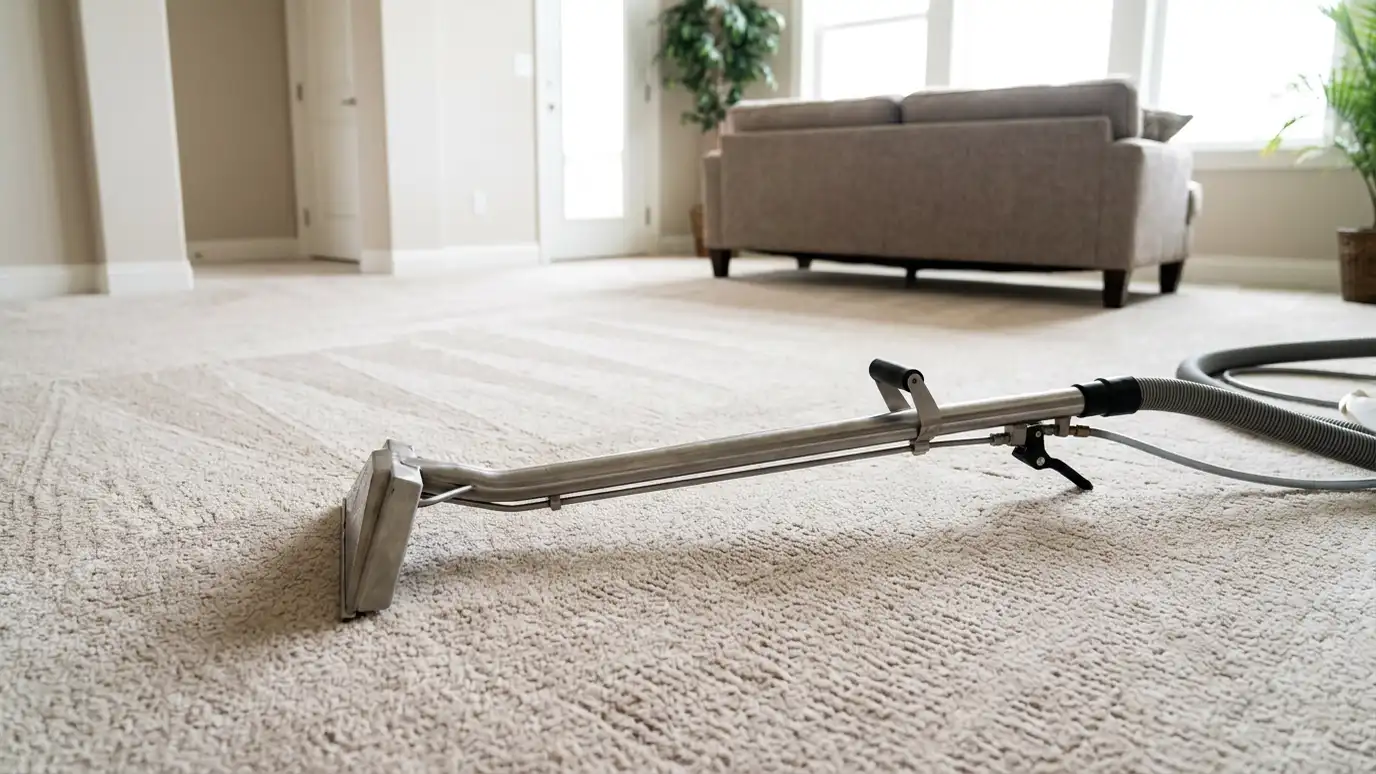
Vacuum often with a machine that has good filtration, and clean carpet on a schedule. Mats at entries keep dirt out in the first place.
Hot water extraction removes soil and some allergens.
We share a simple routine.
Moisture and mold
Damp carpet and pad can grow mold, which is a bigger air concern than new-carpet odor. Fix leaks quickly and control humidity.
Basements and slabs need special attention.
Official resources such as the Environmental Protection Agency offer further guidance.
Choose low-emitting products, ventilate well, vacuum with a good filter and keep carpet dry, and talk with your health provider about your needs.