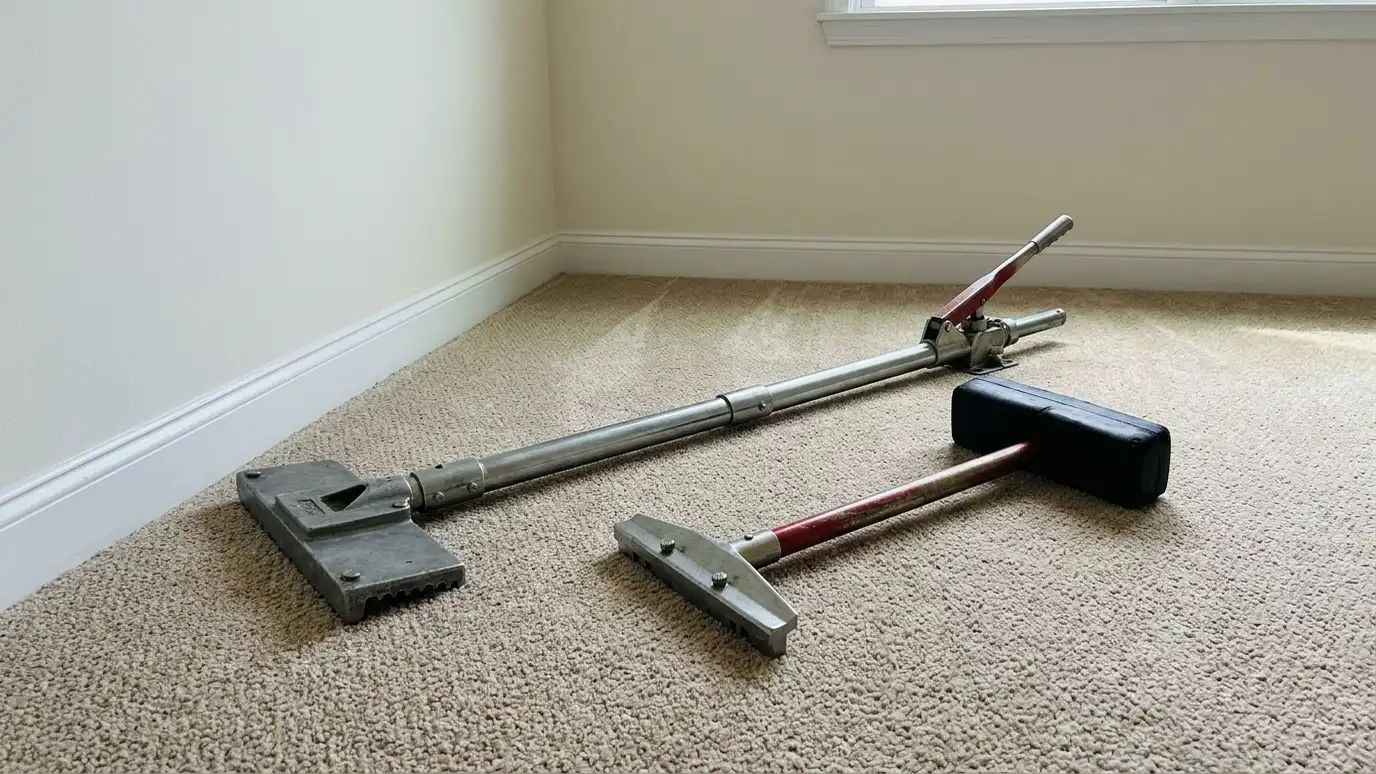
How the two main carpet installation methods differ in use, floor, cushion, durability and repair.
Stretch-in installation is the common residential method. Tackless strip around the room holds a stretched carpet over a separate pad, which gives a comfortable feel and allows restretching later. Glue-down installation bonds carpet directly to the floor, often over a thin cushion backing, and is common in commercial spaces and on concrete where rolling loads are heavy.
Each suits different needs. Stretch-in is generally more comfortable and flexible, while glue-down gives a firm, stable surface for chairs, carts and wheelchairs and avoids ripples. Owners in Nashville choose by room and use: stretch-in for bedrooms and living areas, glue-down or tile for offices, churches and some basements. We explain both and recommend the method that fits your floor and your plans.
Strip, pad and a stretched carpet, with a cushioned feel.
Carpet attached to the floor for a firm, stable surface.
Stretch-in uses a separate pad, and glue-down often does not.
Glue-down handles rolling loads and heavy traffic.
Stretch-in can be restretched, and glue-down repairs are different.
Concrete and wood subfloors influence the choice.
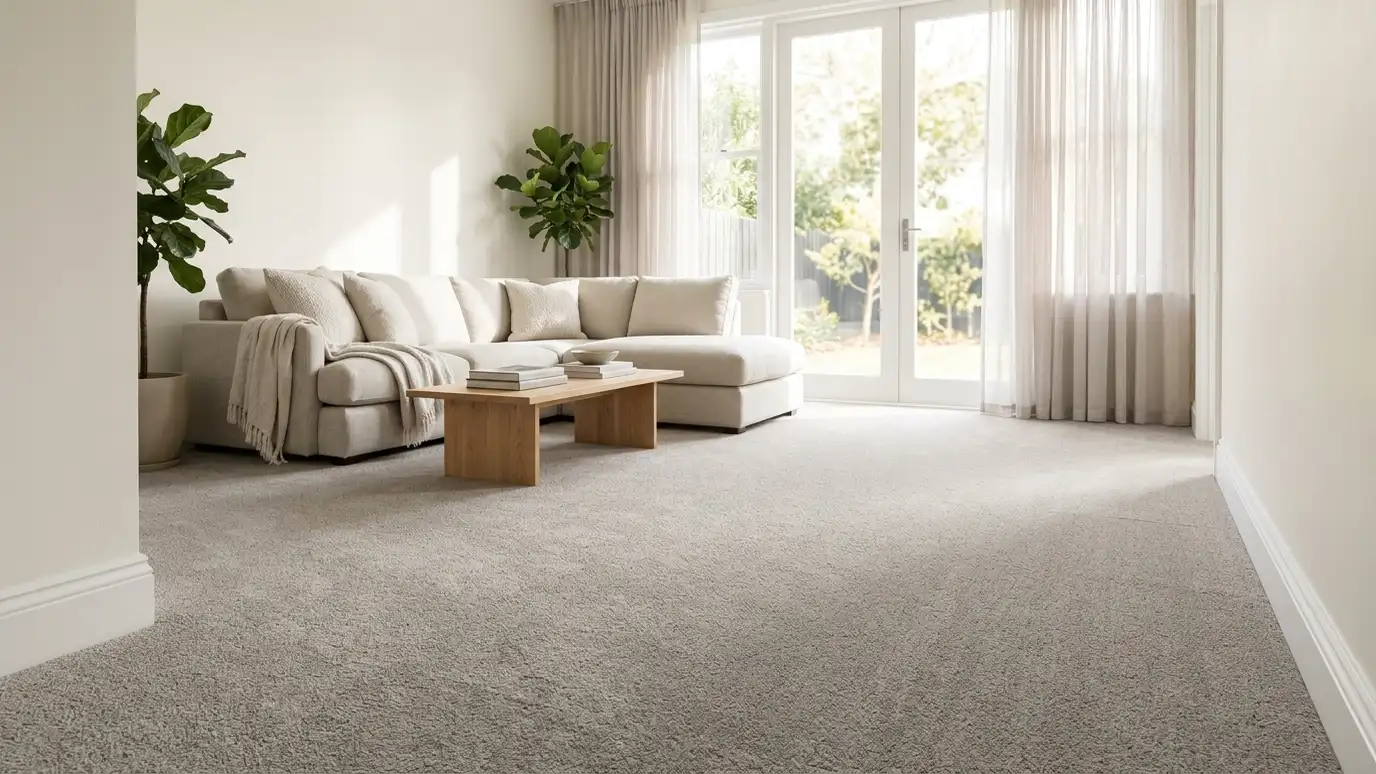 New Carpet InstallationComplete new carpet installation with measured rooms, matched padding, clean seams and tight stretching, so every room feels…Explore
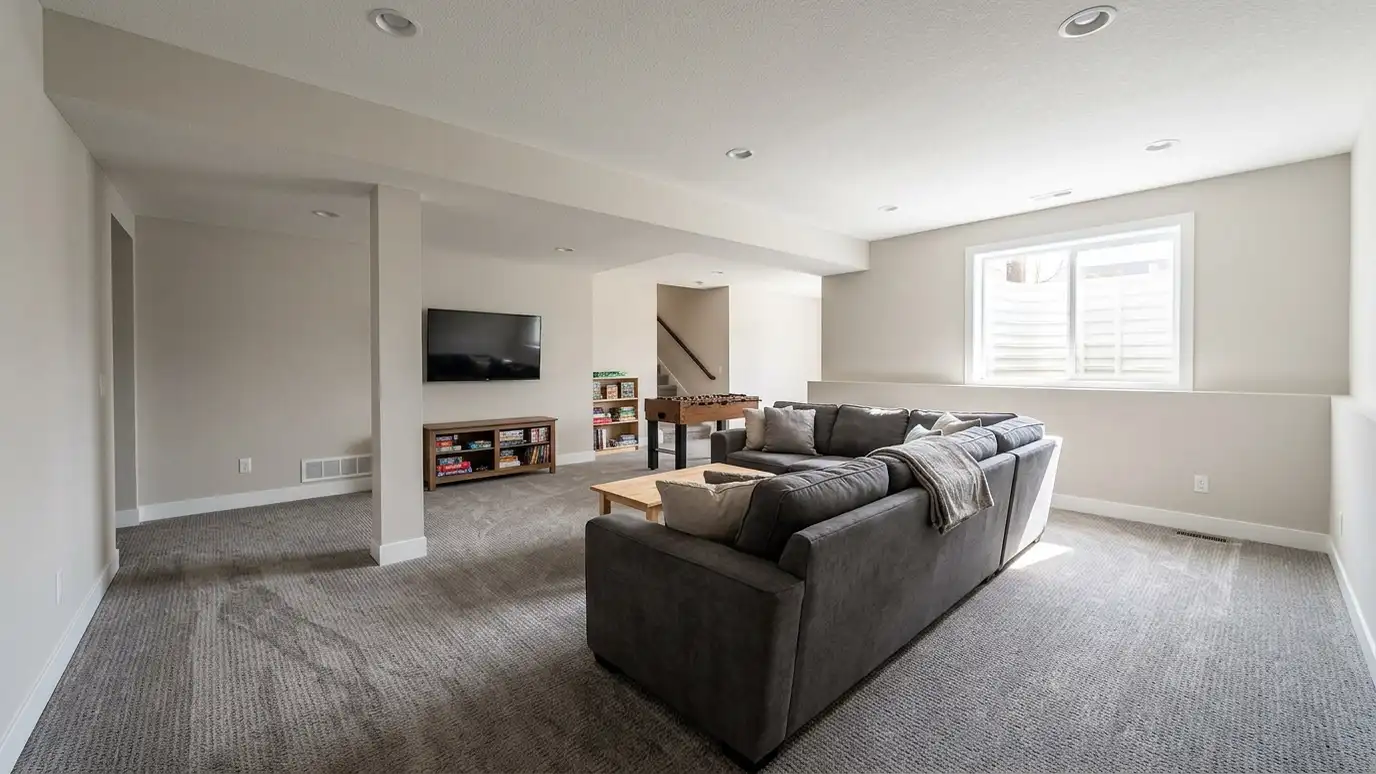 Basement Carpet InstallationBasement carpet planned around moisture, concrete and temperature, using moisture-aware padding and carpet choices that turn a cool…Explore
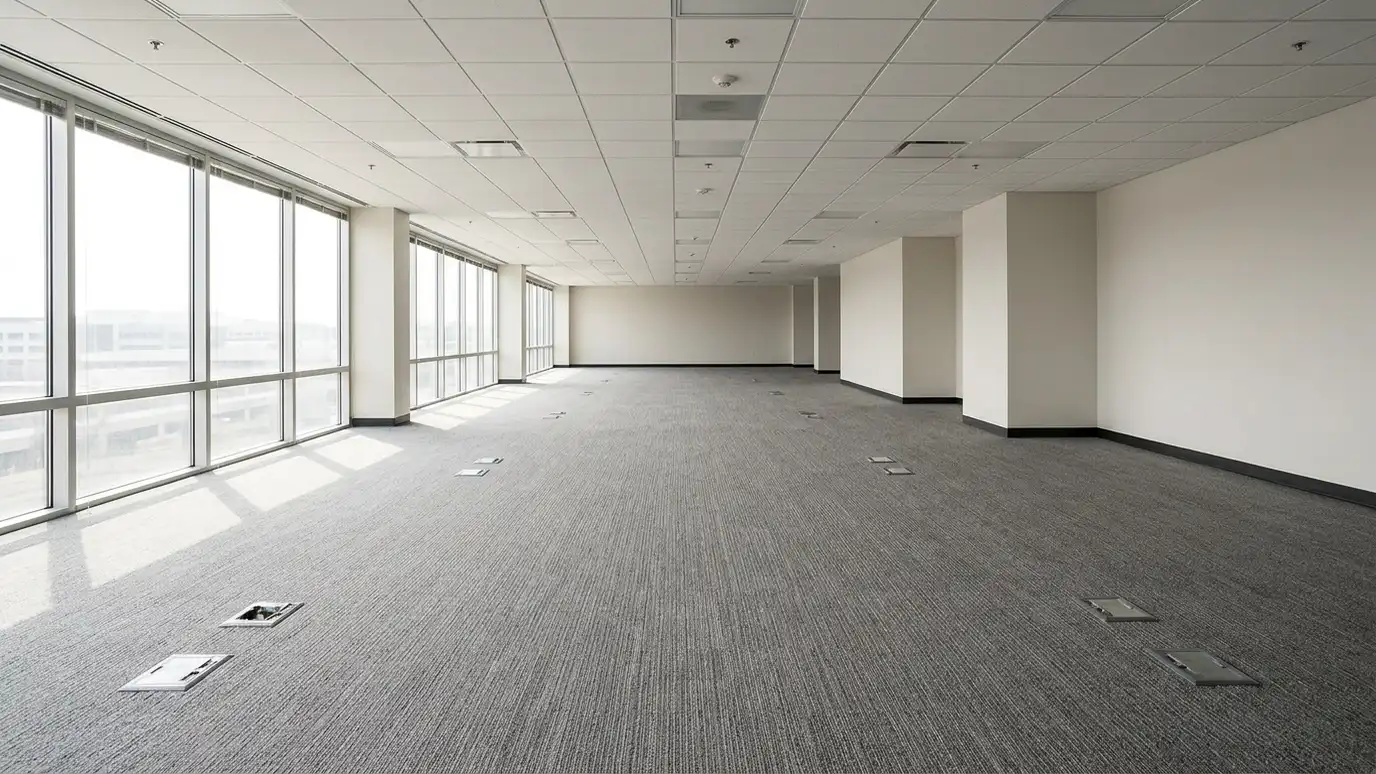 Commercial Carpet InstallationCommercial carpet installed for offices, retail, institutions and public spaces, with durable materials, glue-down or stretch-in methods and…Explore
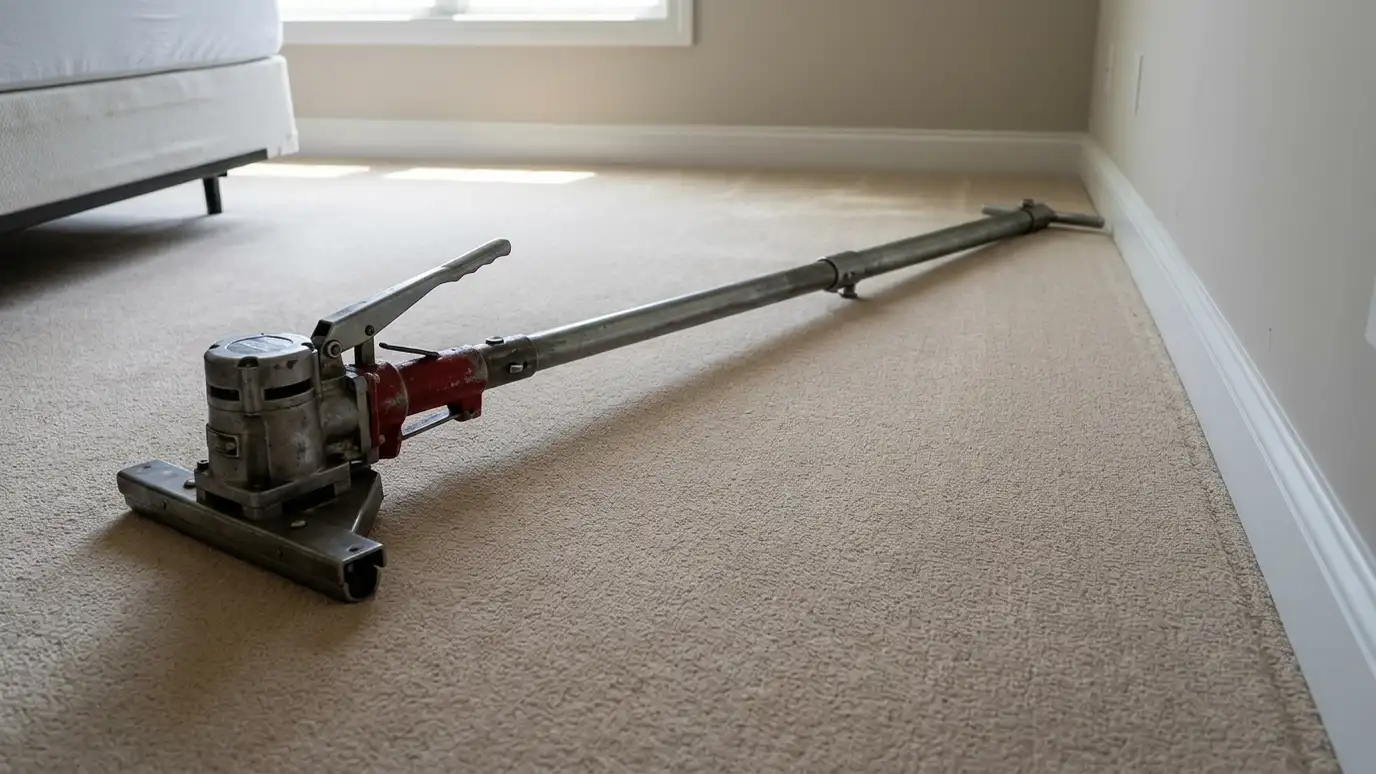 Carpet RestretchingCarpet restretching removes ripples, wrinkles and loose areas by pulling the carpet tight again over its padding and…Explore
 Carpet Wrinkle and Bubble RepairWrinkle and bubble repair for carpet that has risen, rippled or bubbled, using stretching, pad repair and correction…Explore
Size a room, check a lifespan or ballpark a budget.
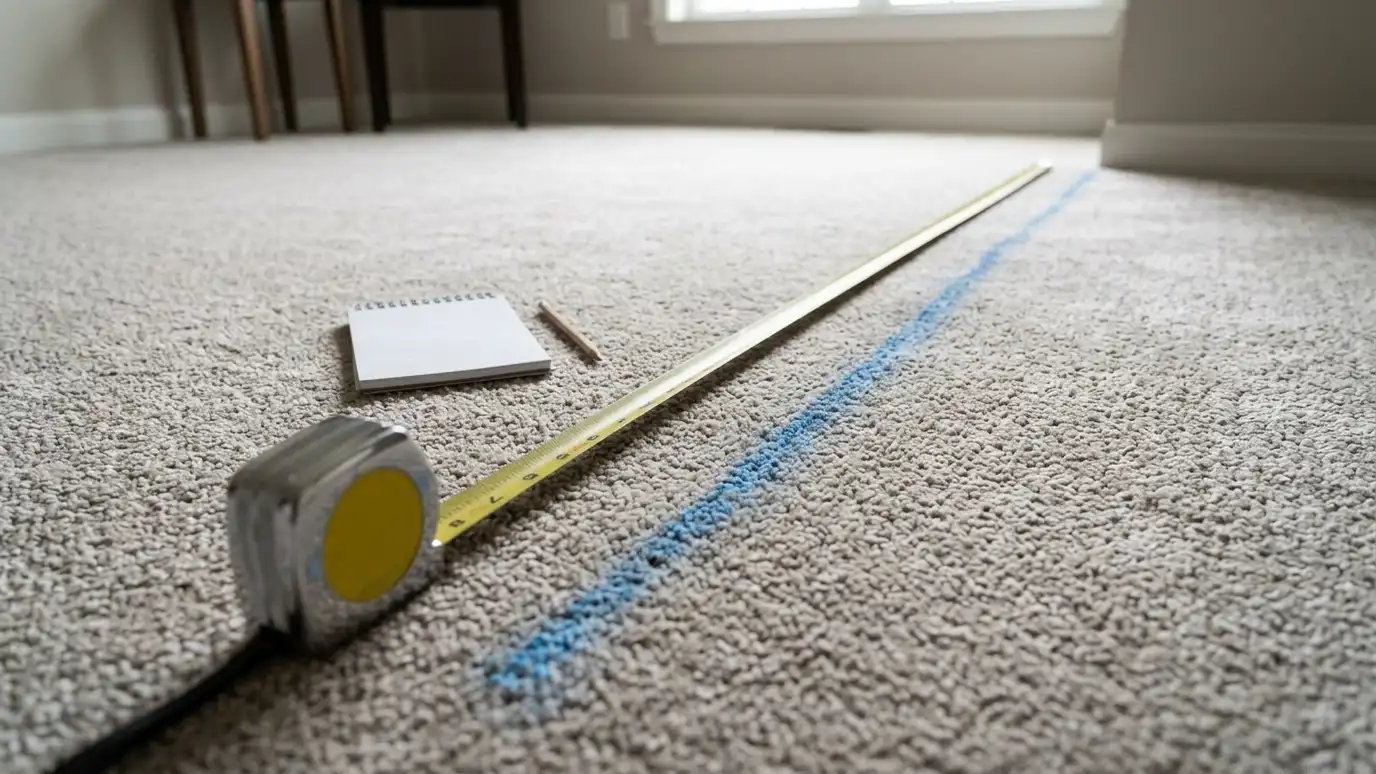 Carpet Room Area and Materials CalculatorEnter your measurements to see square feet, square yards, pad, tack strip, seams and time to plan for rooms, stairs, halls and rugs.Try it
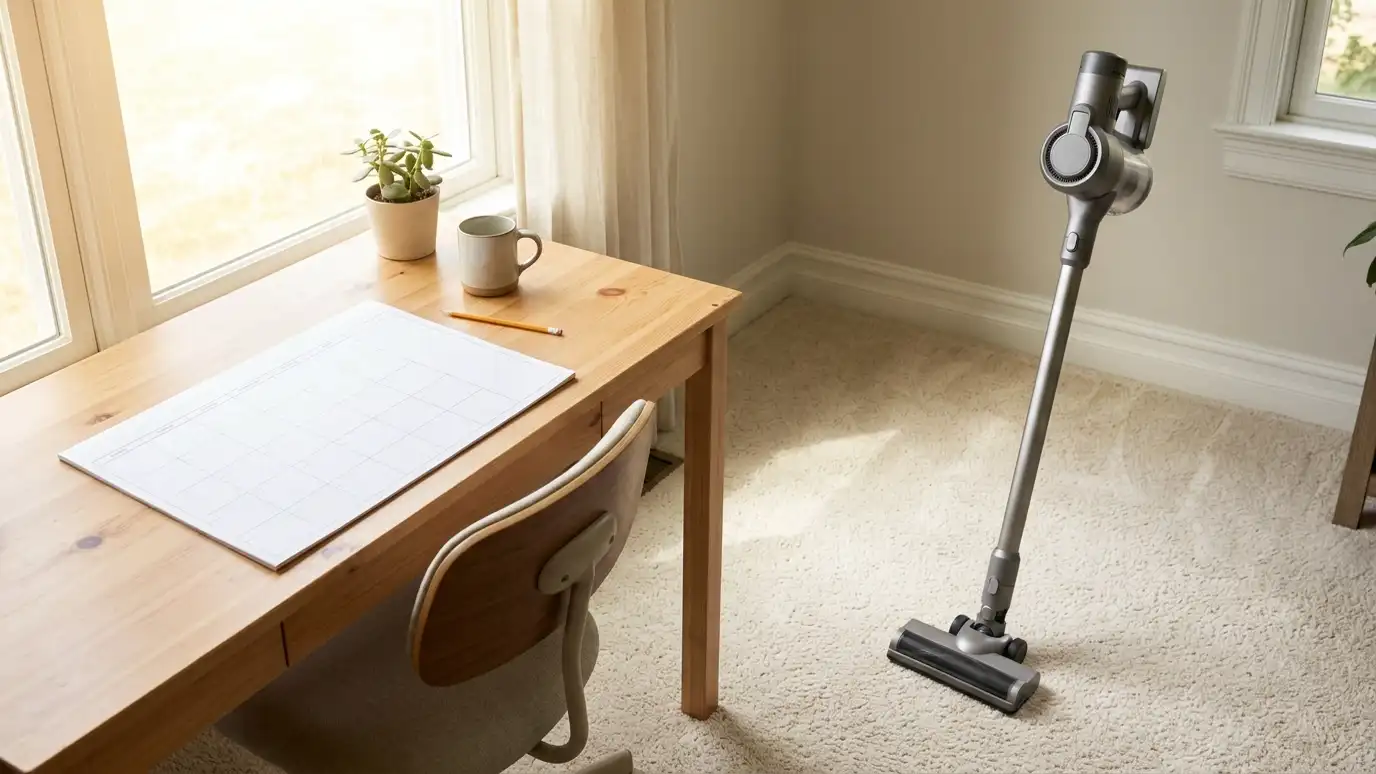 How Long Will My Carpet Last? CheckerPick a carpet type, its age and the signs you see to learn where it is in its life and what to do next.Try it
 Carpet Budget PlannerPick a carpet, padding, stair, repair, cleaning or removal job, set the size and add extras to see a ballpark planning range. Placeholder values only.Try it
Stretch-in is the standard for most homes because it is comfortable and can be restretched.
Glue-down or carpet tile is common because it handles chairs and traffic well.
Yes, on a dry, prepared slab with suitable adhesive.
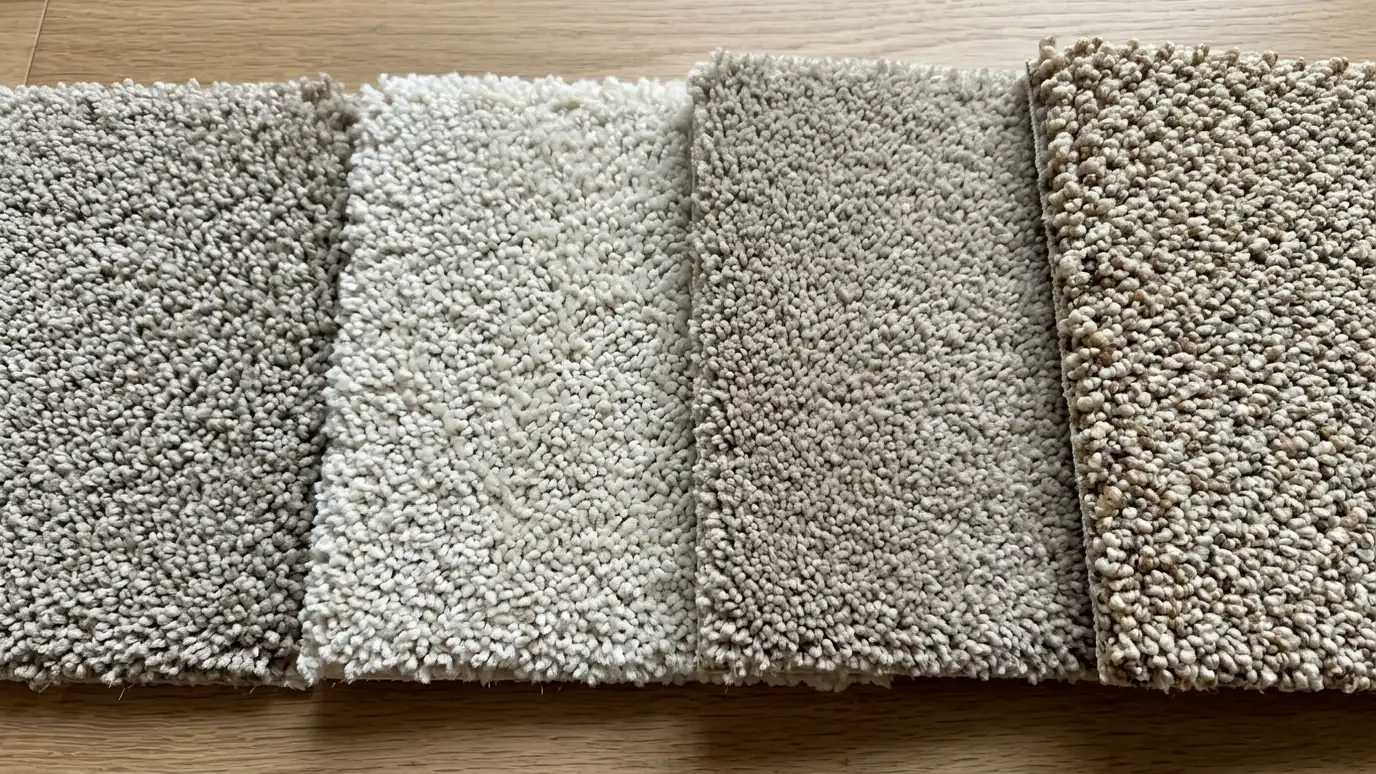 Comparison guideCarpet Fibers ComparedHow the four main synthetic carpet fibers differ in resilience, softness, stain resistance, moisture behavior and best uses.Learn more
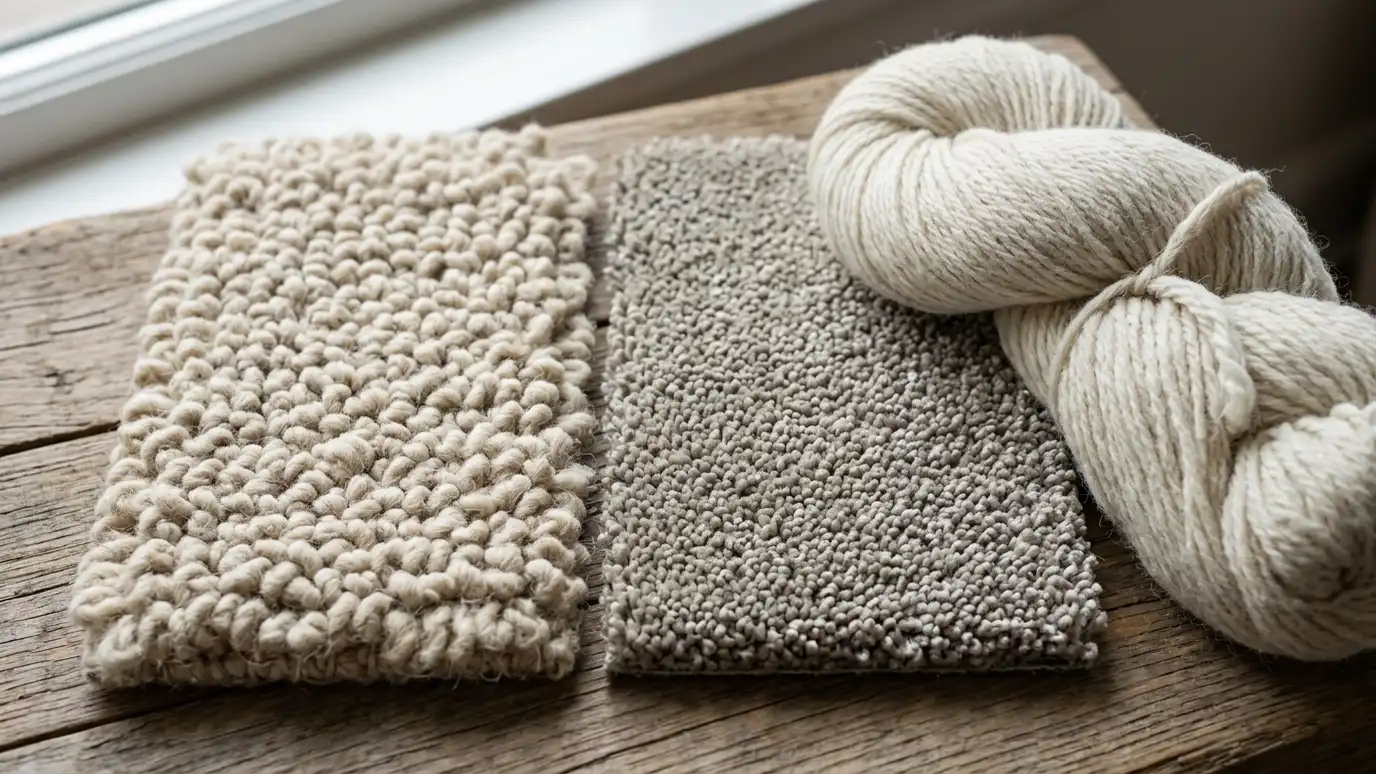 Comparison guideWool vs SyntheticHow natural wool carpet compares with nylon, polyester, triexta and olefin in feel, resilience, cleaning, care and appearance.Learn more
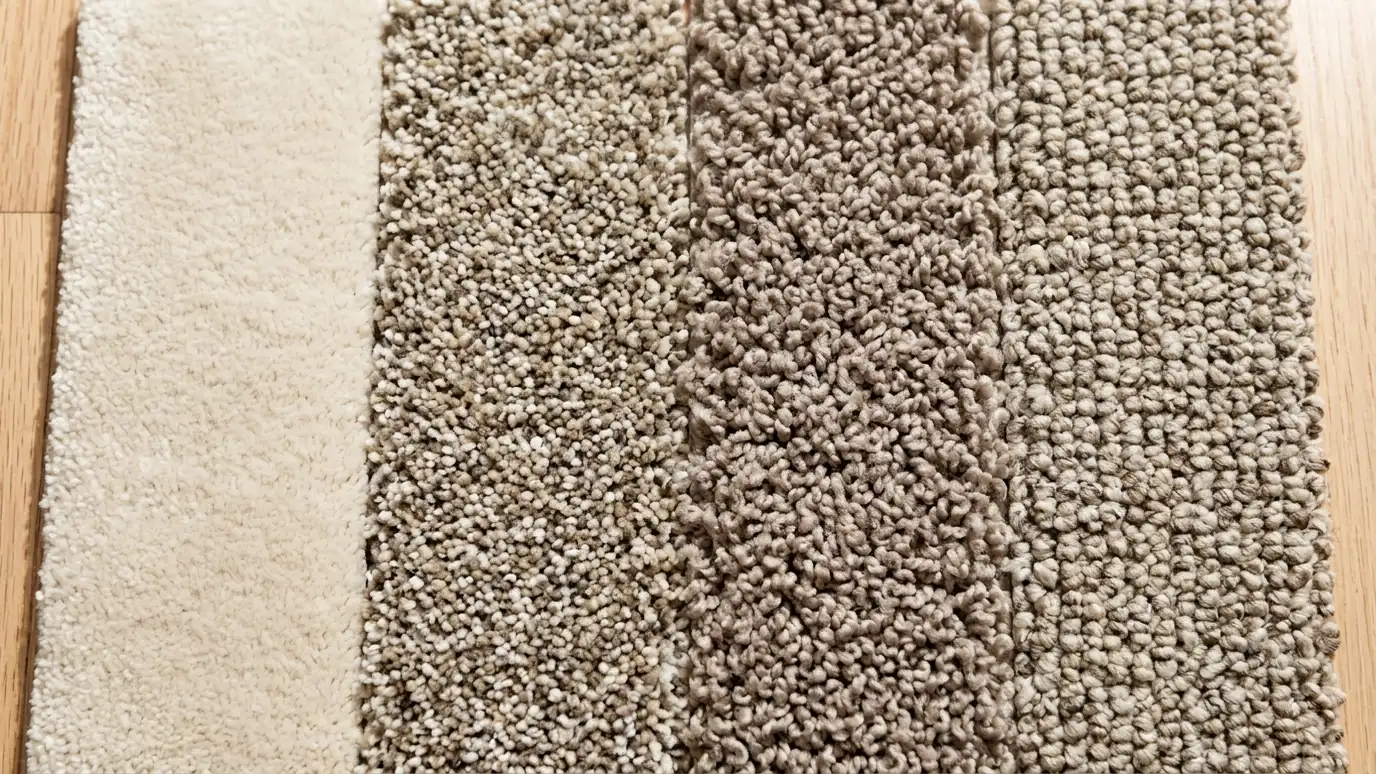 Comparison guideCarpet Styles ComparedHow plush, Saxony, textured, frieze and Berber carpet differ in look, feel, footprints, wear and best rooms.Learn more
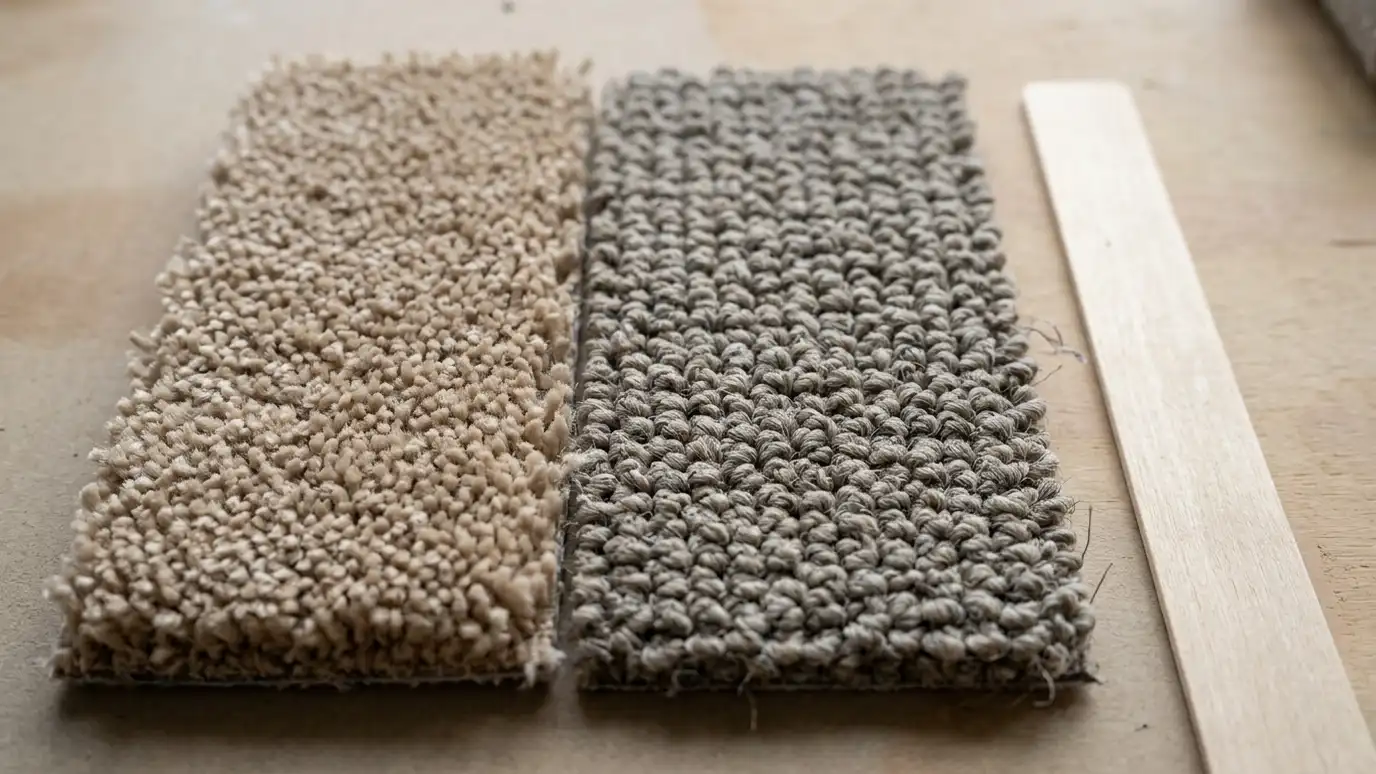 Comparison guideCut vs Loop PileHow cut pile and loop pile carpets differ in softness, durability, snagging, cleaning and look.Learn more
Call us and describe your space. We will walk your rooms, bring samples, talk through options and give you a clear written estimate.