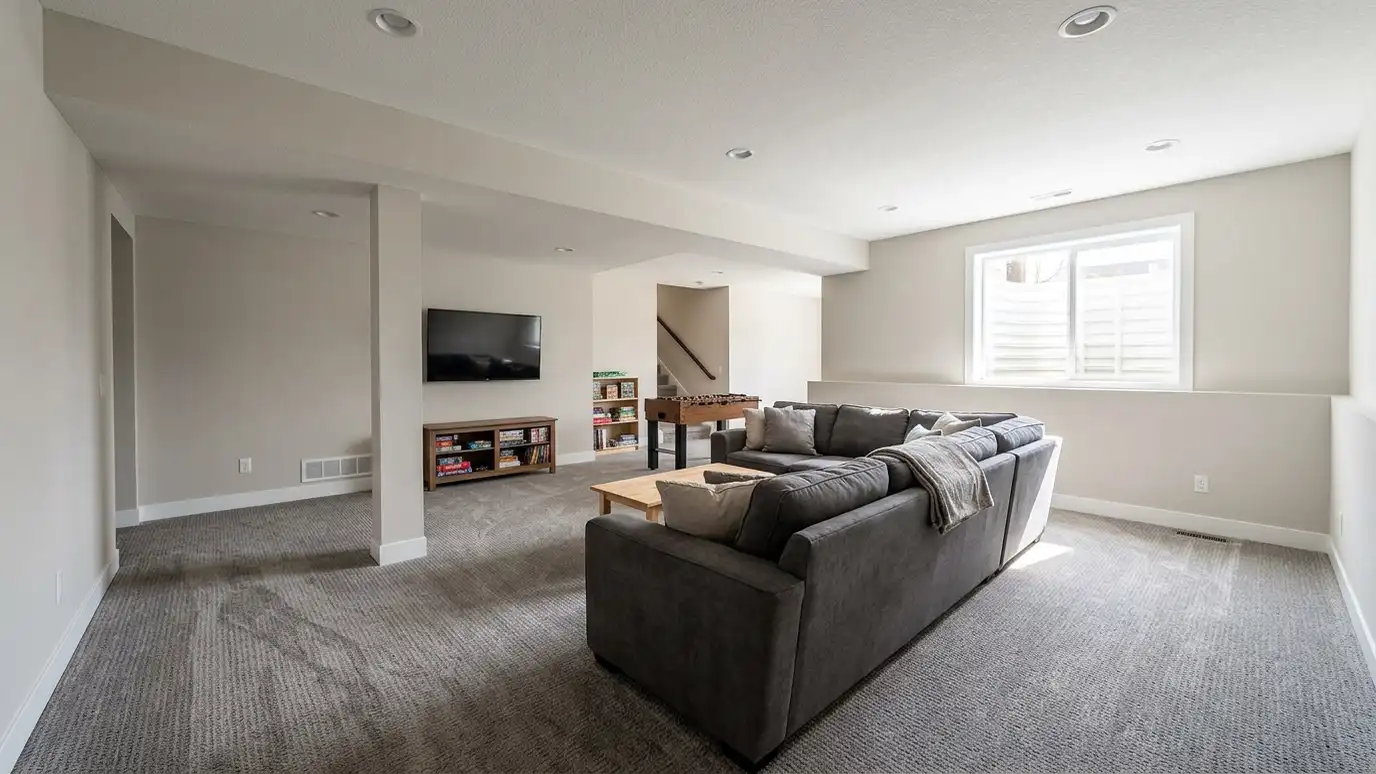
How moisture affects carpet in basements and slabs, and which pads, fibers and methods suit lower levels.
Basements can be great places for carpet when the floor is dry. Concrete slabs hold and release moisture, and humid air in lower levels can condense on cool surfaces. Carpet and pad that stay damp can develop odors and mold. The keys are a dry slab, moisture-aware padding or a glue-down system and a carpet that tolerates humidity.
Fibers such as olefin and solution-dyed styles are common below grade. Carpet tiles can also help because a damp tile is easy to replace. Control humidity with drainage, gutters and a dehumidifier. Owners in Nashville should address any leaks first. We check slabs, discuss moisture testing and recommend a system that matches the room and its conditions.
Fix leaks and drainage before carpet.
Barrier and closed-cell options help.
Olefin and solution-dyed styles handle humidity well.
Easy to replace if a square is damaged.
Dehumidifiers and ventilation help.
Moisture tests give clearer answers.
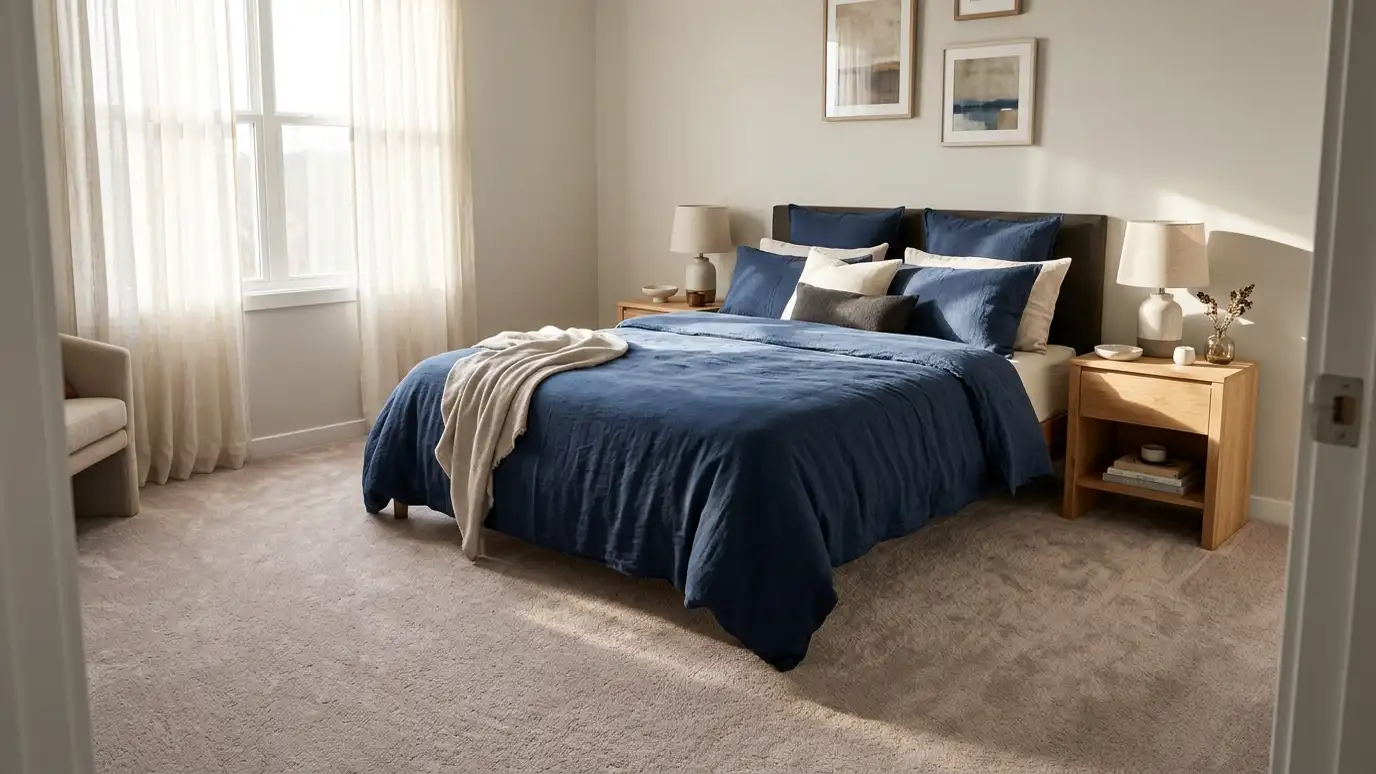 Bedroom Carpet InstallationSoft, quiet carpet installed in bedrooms with comfortable padding, clean closet work and edges that look right under…Explore
 Living Room Carpet InstallationDurable, comfortable carpet for living rooms and family rooms, chosen for traffic, light and furniture, then installed flat…Explore
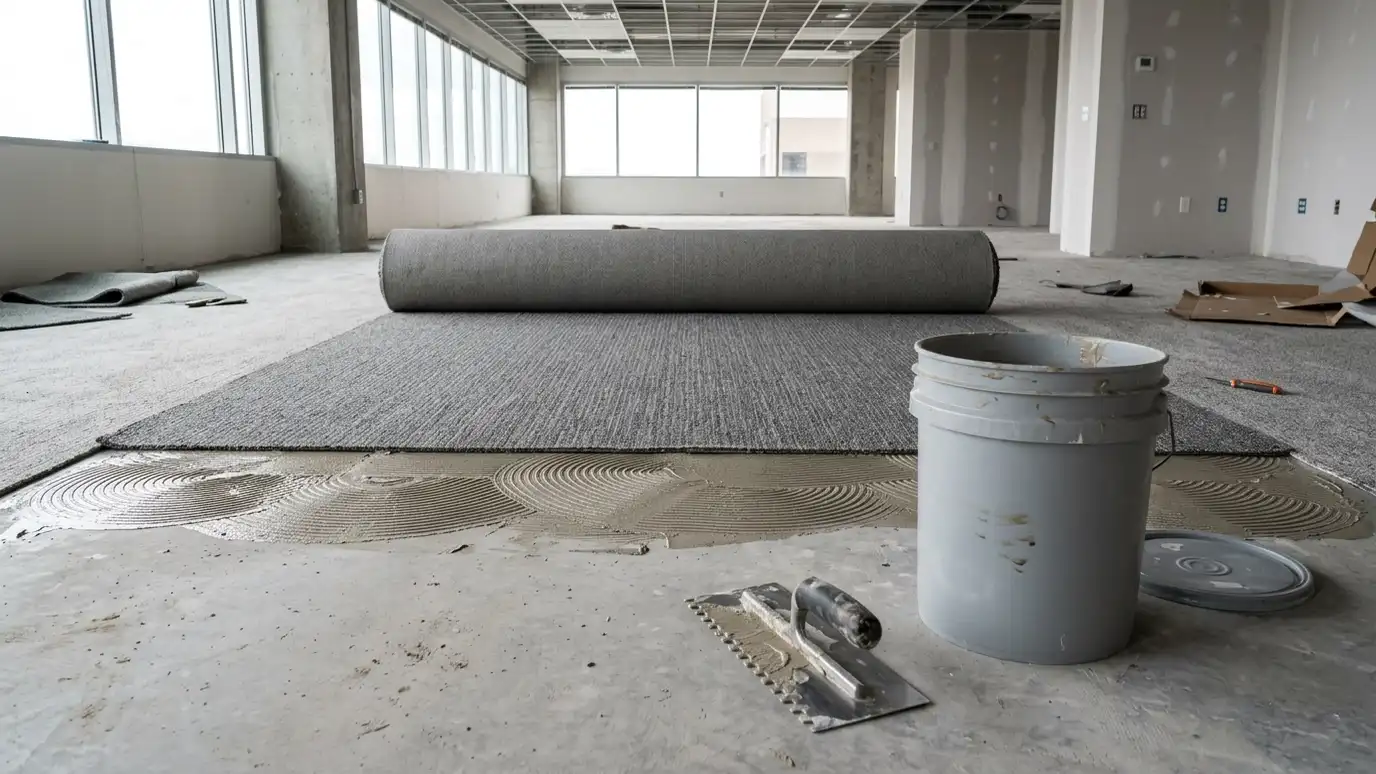 Glue-Down Carpet InstallationCarpet attached directly to a prepared floor with adhesive, a strong choice for commercial spaces, concrete floors and…Explore
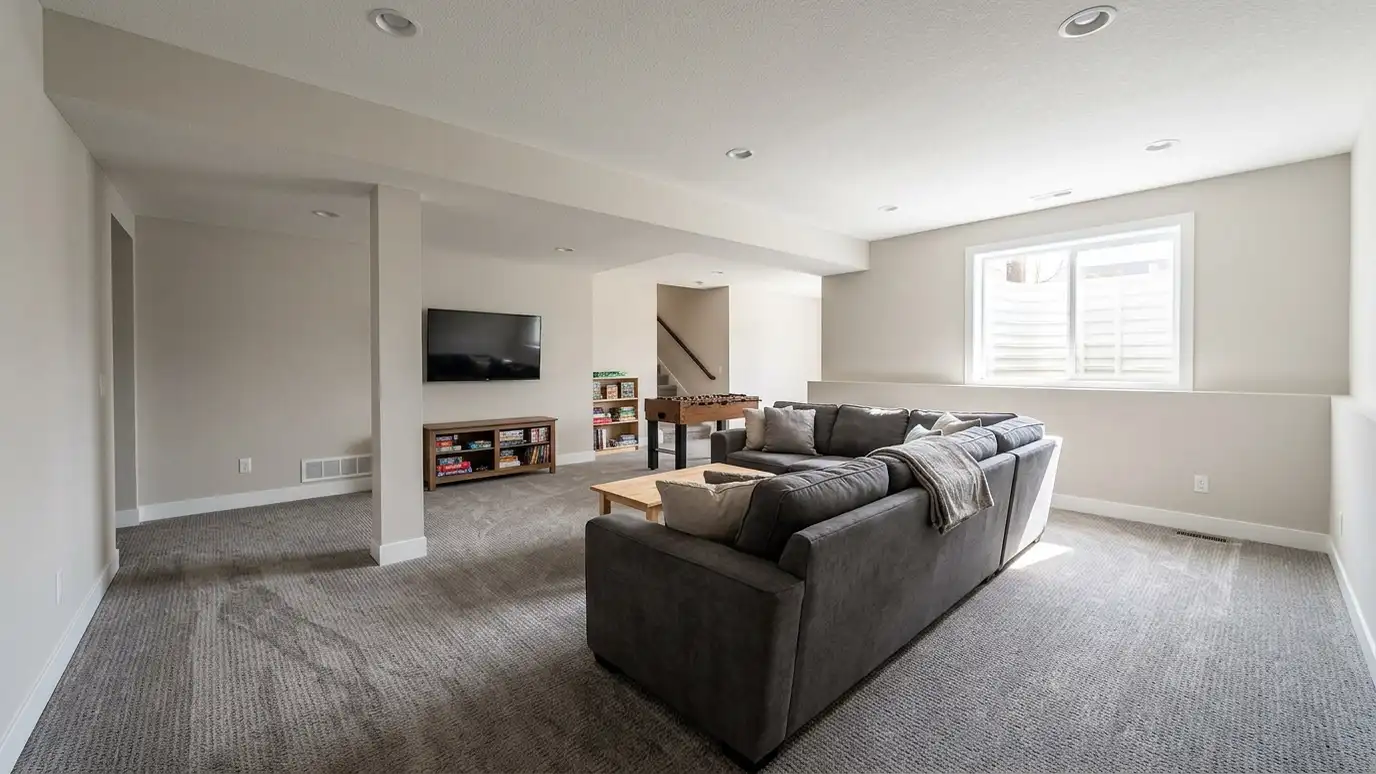 Carpet Installation Over ConcreteCarpet installed over concrete slabs with moisture-aware padding or adhesive, careful prep and strip methods that fit basements…Explore
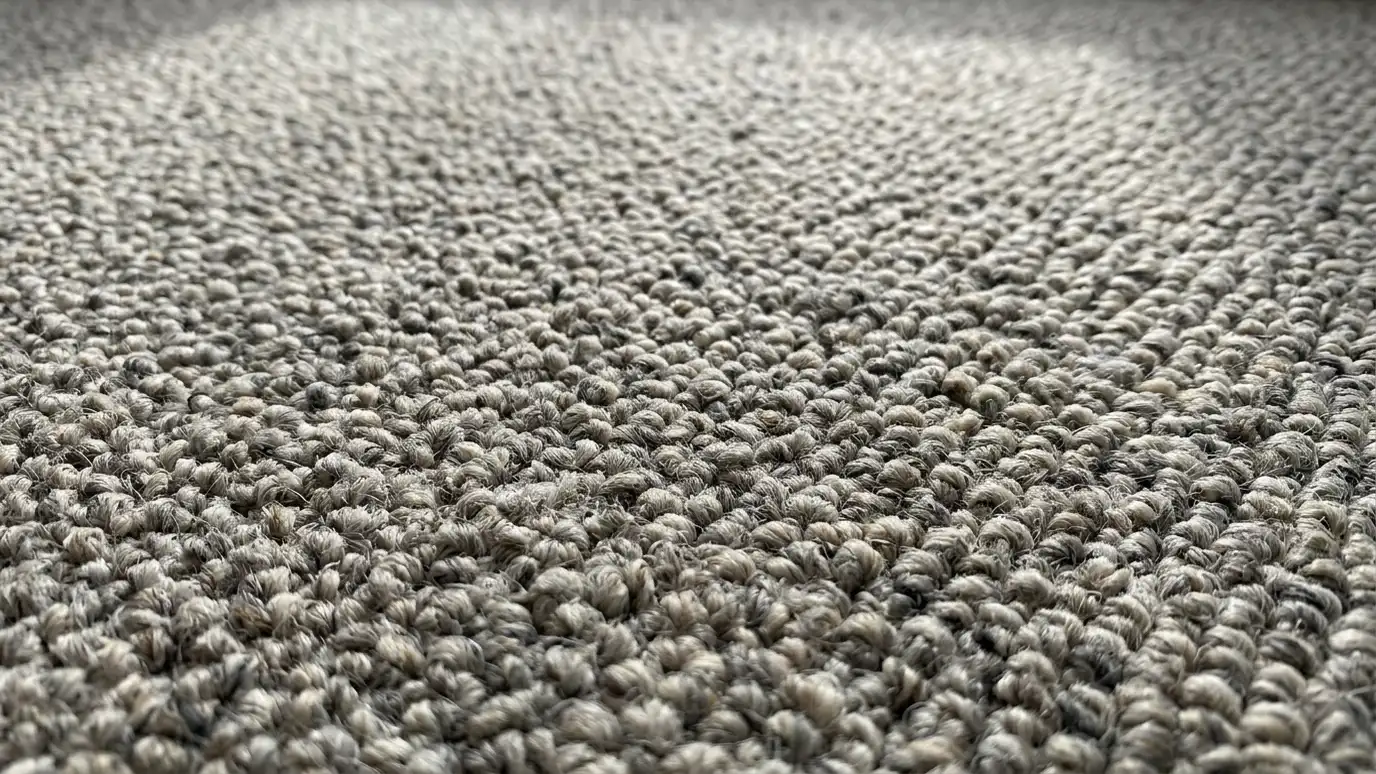 Olefin and Polypropylene CarpetMoisture-resistant olefin and polypropylene carpet in loop and cut styles, well suited to basements, play areas and spaces…Explore
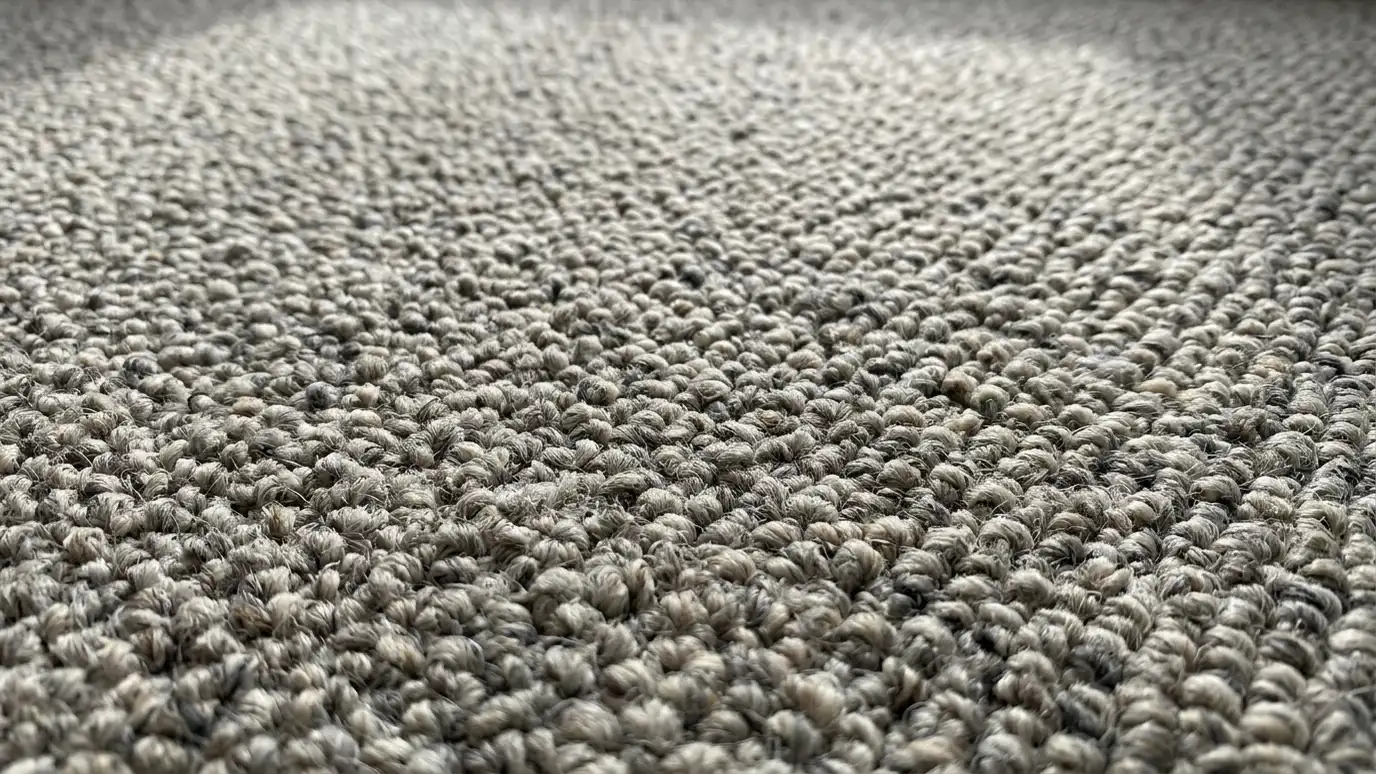 Berber and Loop Pile CarpetBerber and loop pile carpet use looped yarns for a durable, low-profile surface that hides wear and suits…Explore
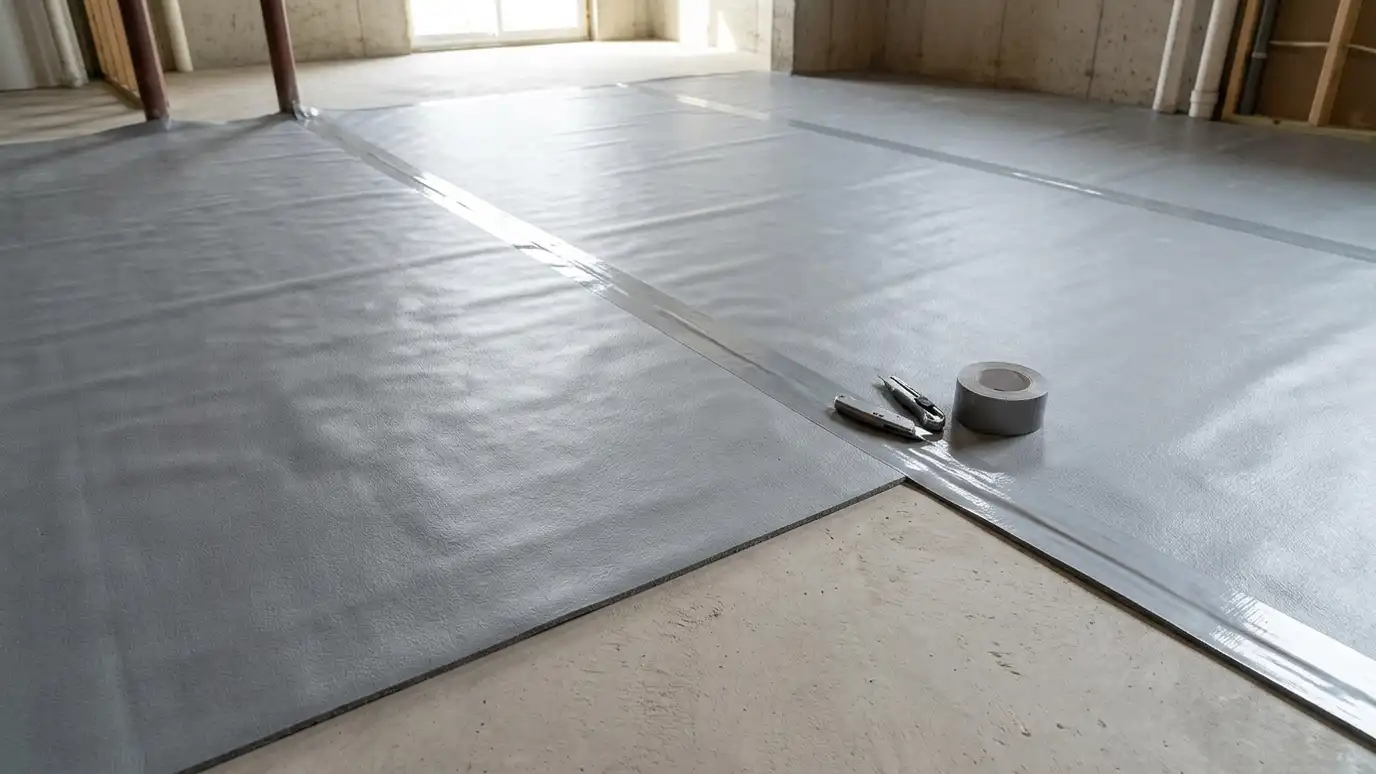 Moisture Barrier and Basement Carpet PaddingMoisture-barrier and closed-cell padding for basements, slabs and damp-prone floors, planned with the carpet so both are protected…Explore
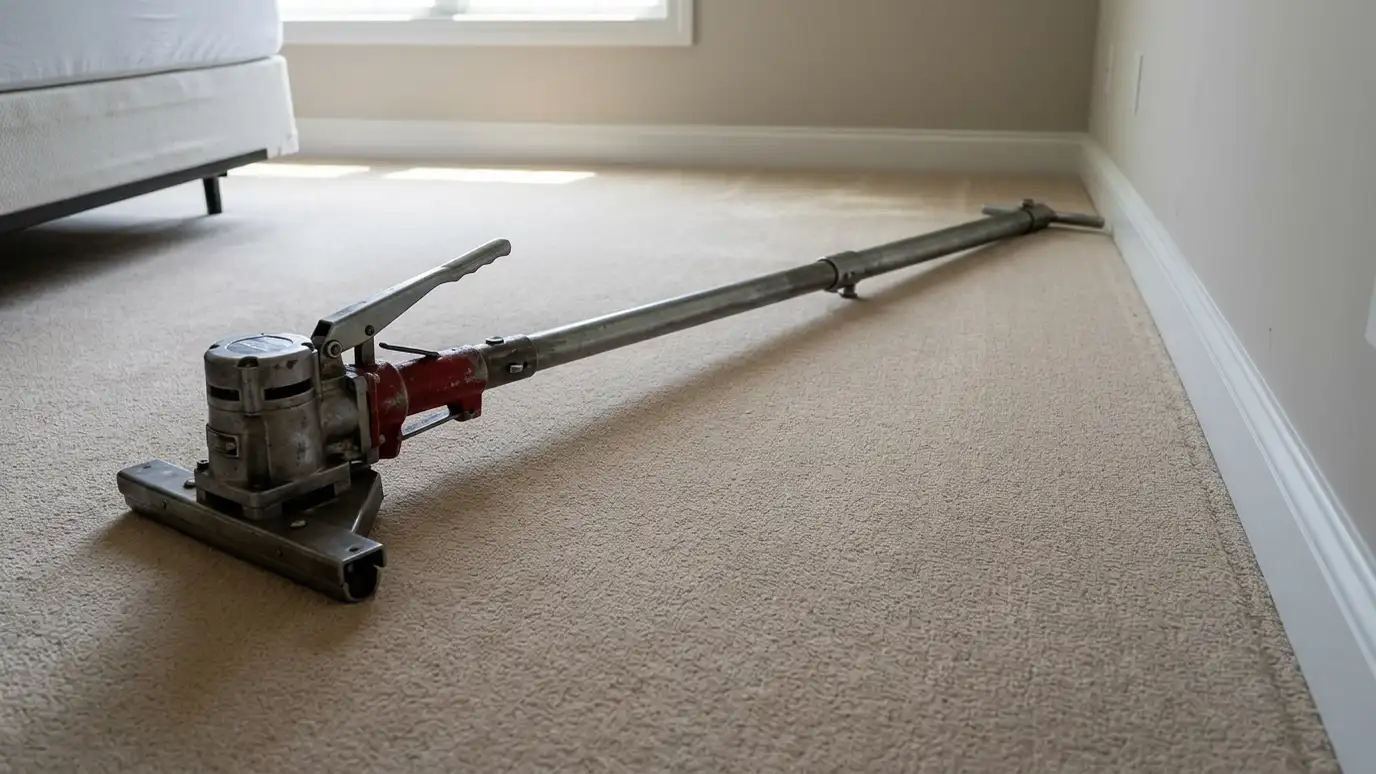 Carpet Wrinkle and Bubble RepairWrinkle and bubble repair for carpet that has risen, rippled or bubbled, using stretching, pad repair and correction…Explore
Size a room, check a lifespan or ballpark a budget.
 Carpet Room Area and Materials CalculatorEnter your measurements to see square feet, square yards, pad, tack strip, seams and time to plan for rooms, stairs, halls and rugs.Try it
 How Long Will My Carpet Last? CheckerPick a carpet type, its age and the signs you see to learn where it is in its life and what to do next.Try it
 Carpet Budget PlannerPick a carpet, padding, stair, repair, cleaning or removal job, set the size and add extras to see a ballpark planning range. Placeholder values only.Try it
Not until the cause of dampness is fixed. Carpet and pad do poorly with repeated wetting.
Moisture-barrier or closed-cell pads are common. We recommend what suits your slab.
Controlling humidity helps carpet and the whole space. We explain what levels people aim for.
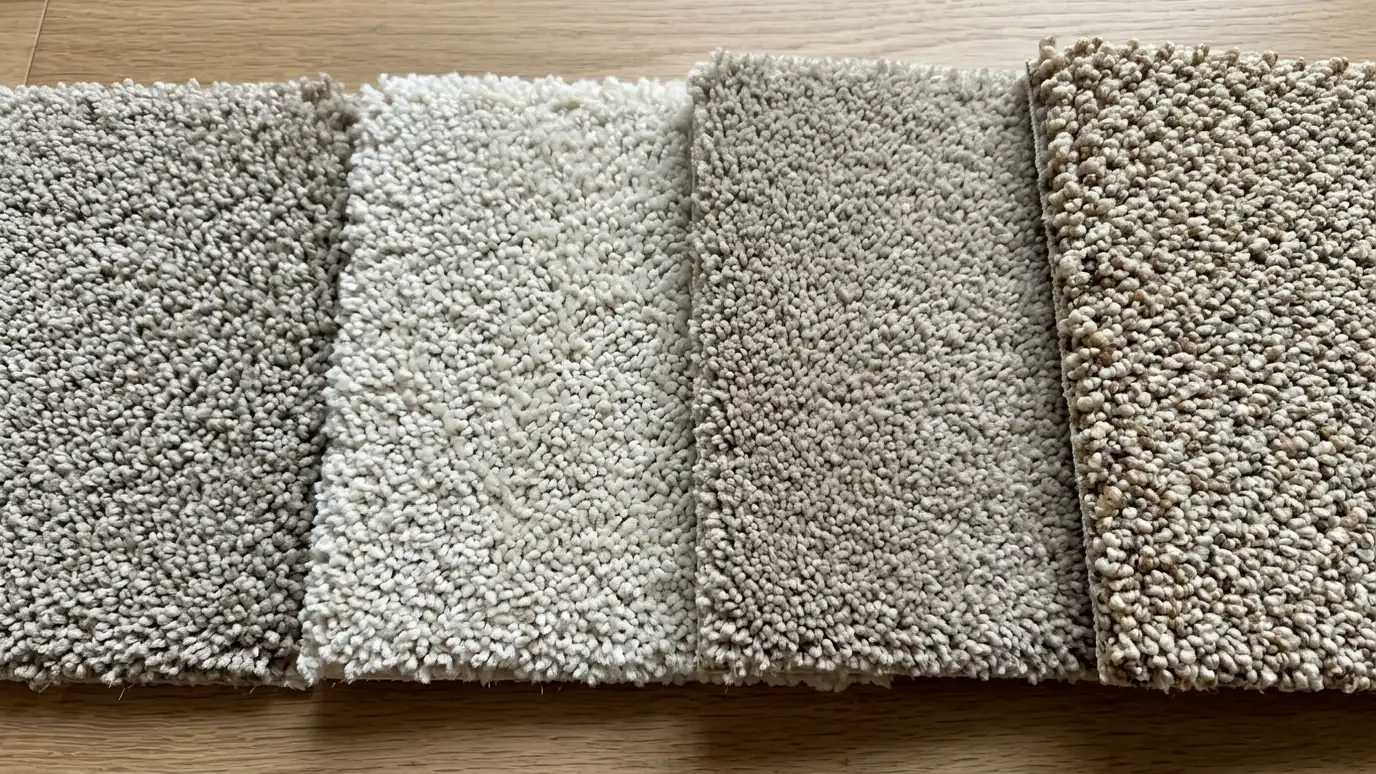 Comparison guideCarpet Fibers ComparedHow the four main synthetic carpet fibers differ in resilience, softness, stain resistance, moisture behavior and best uses.Learn more
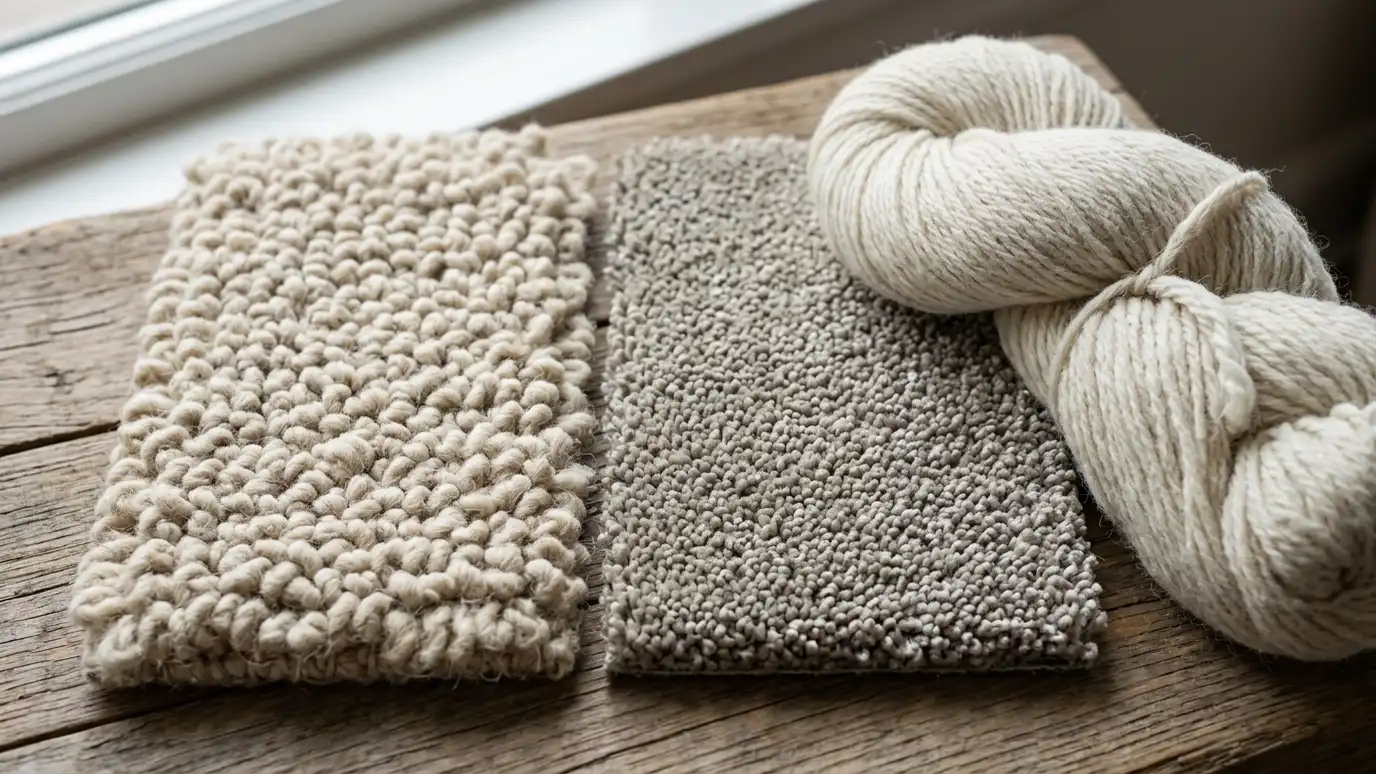 Comparison guideWool vs SyntheticHow natural wool carpet compares with nylon, polyester, triexta and olefin in feel, resilience, cleaning, care and appearance.Learn more
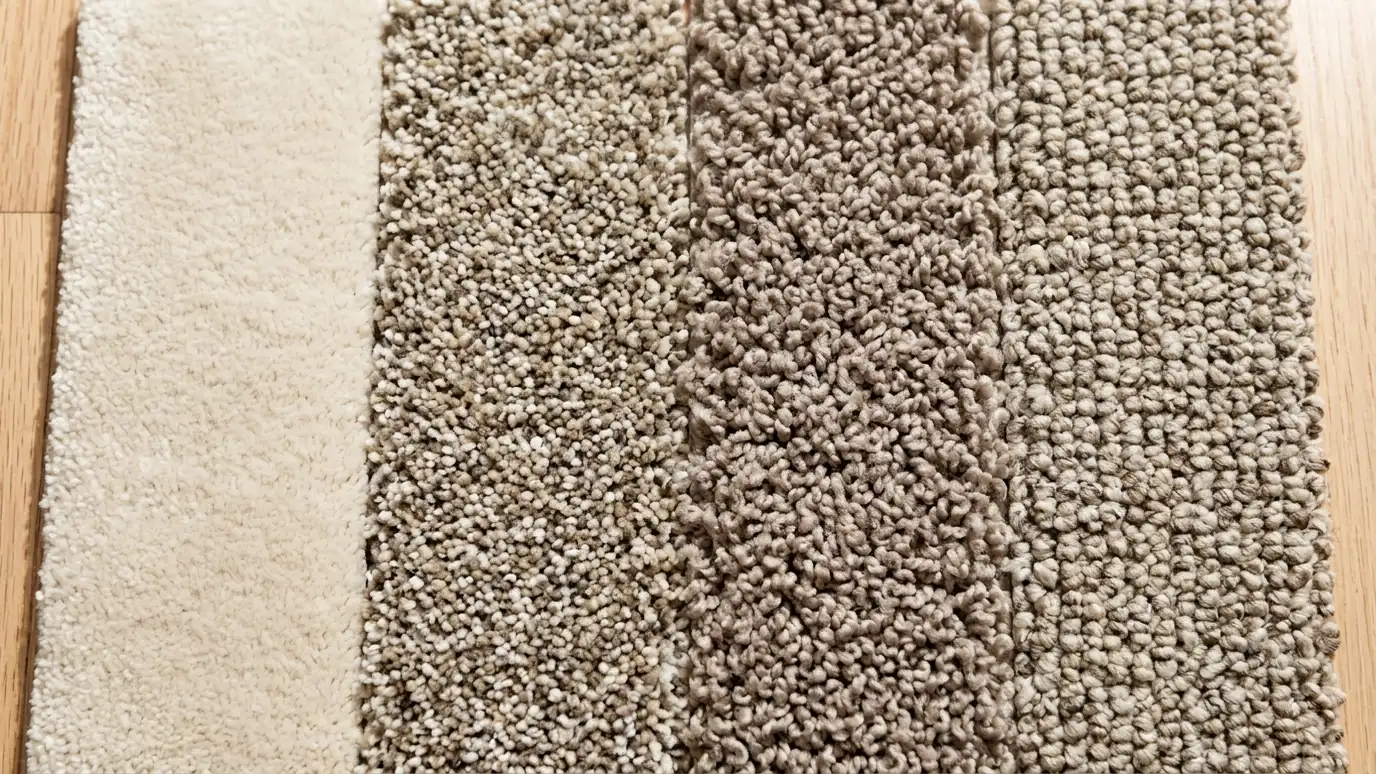 Comparison guideCarpet Styles ComparedHow plush, Saxony, textured, frieze and Berber carpet differ in look, feel, footprints, wear and best rooms.Learn more
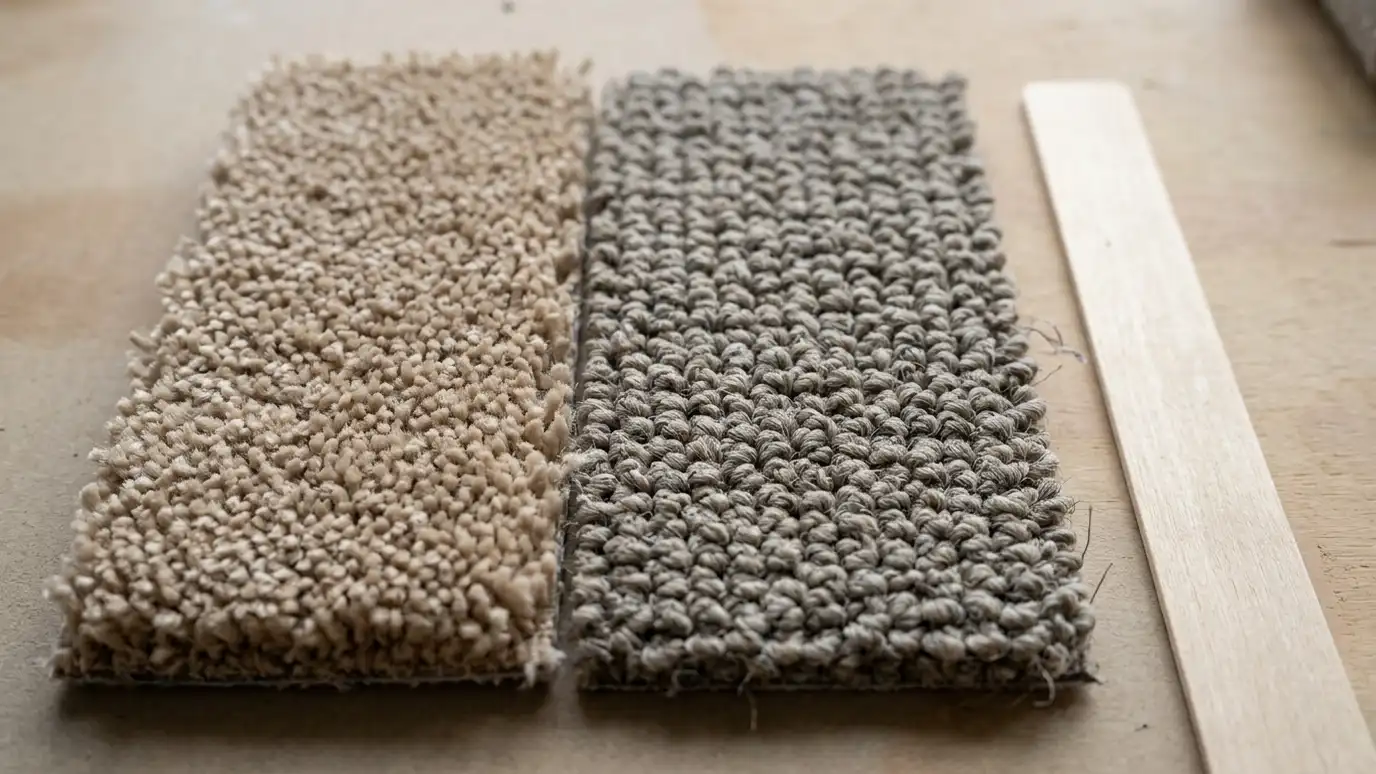 Comparison guideCut vs Loop PileHow cut pile and loop pile carpets differ in softness, durability, snagging, cleaning and look.Learn more
Call us and describe your space. We will walk your rooms, bring samples, talk through options and give you a clear written estimate.